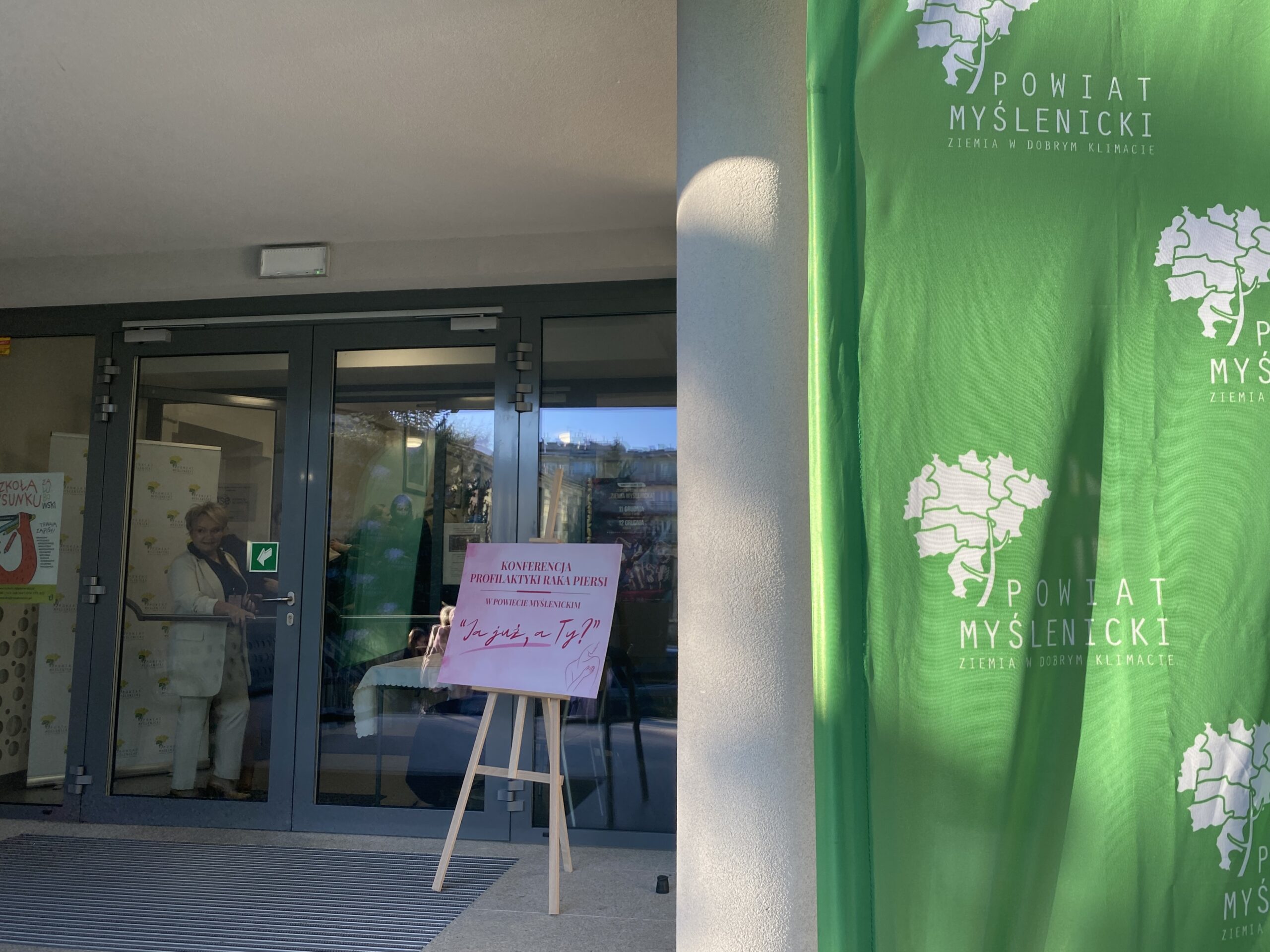
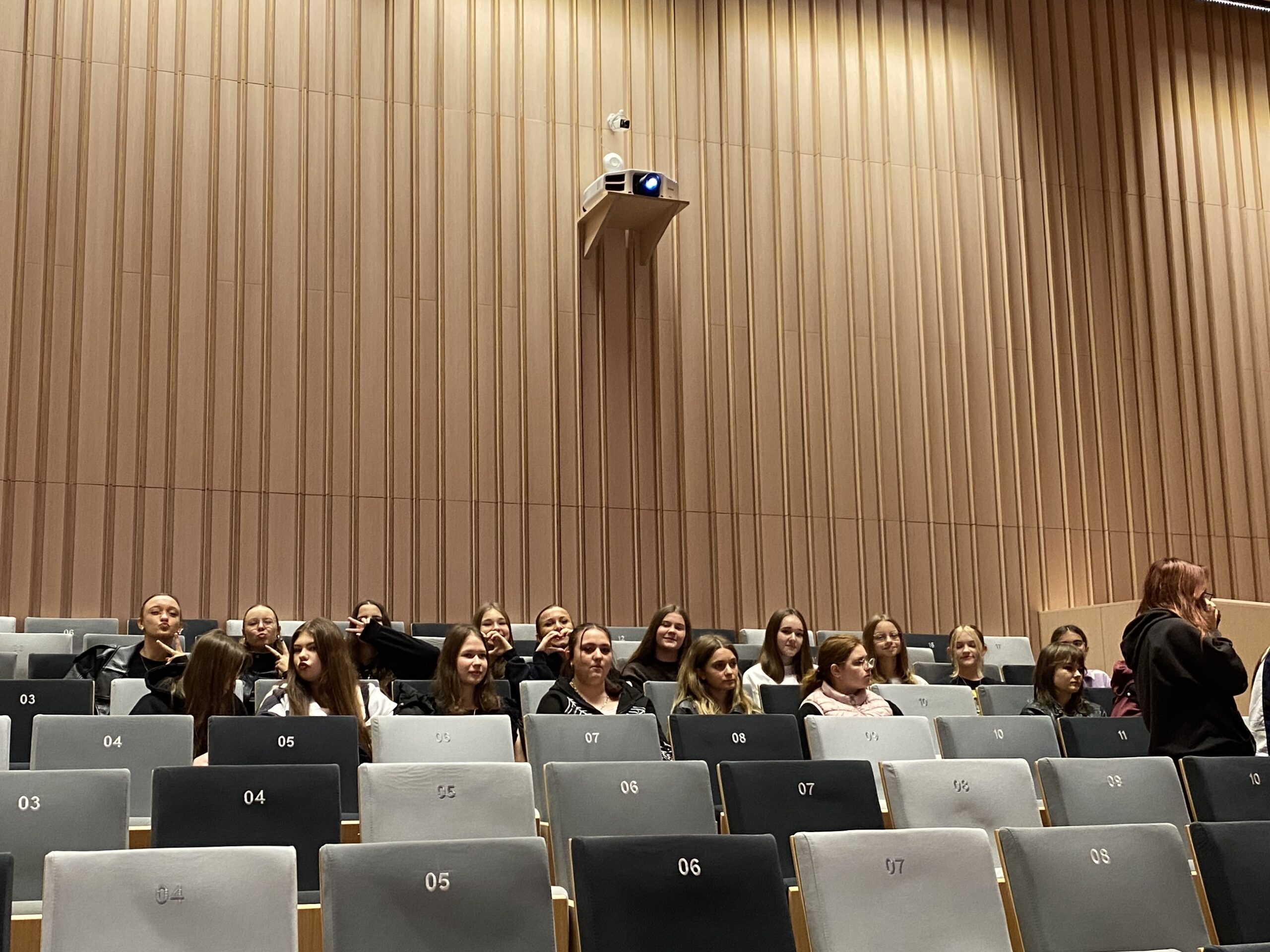
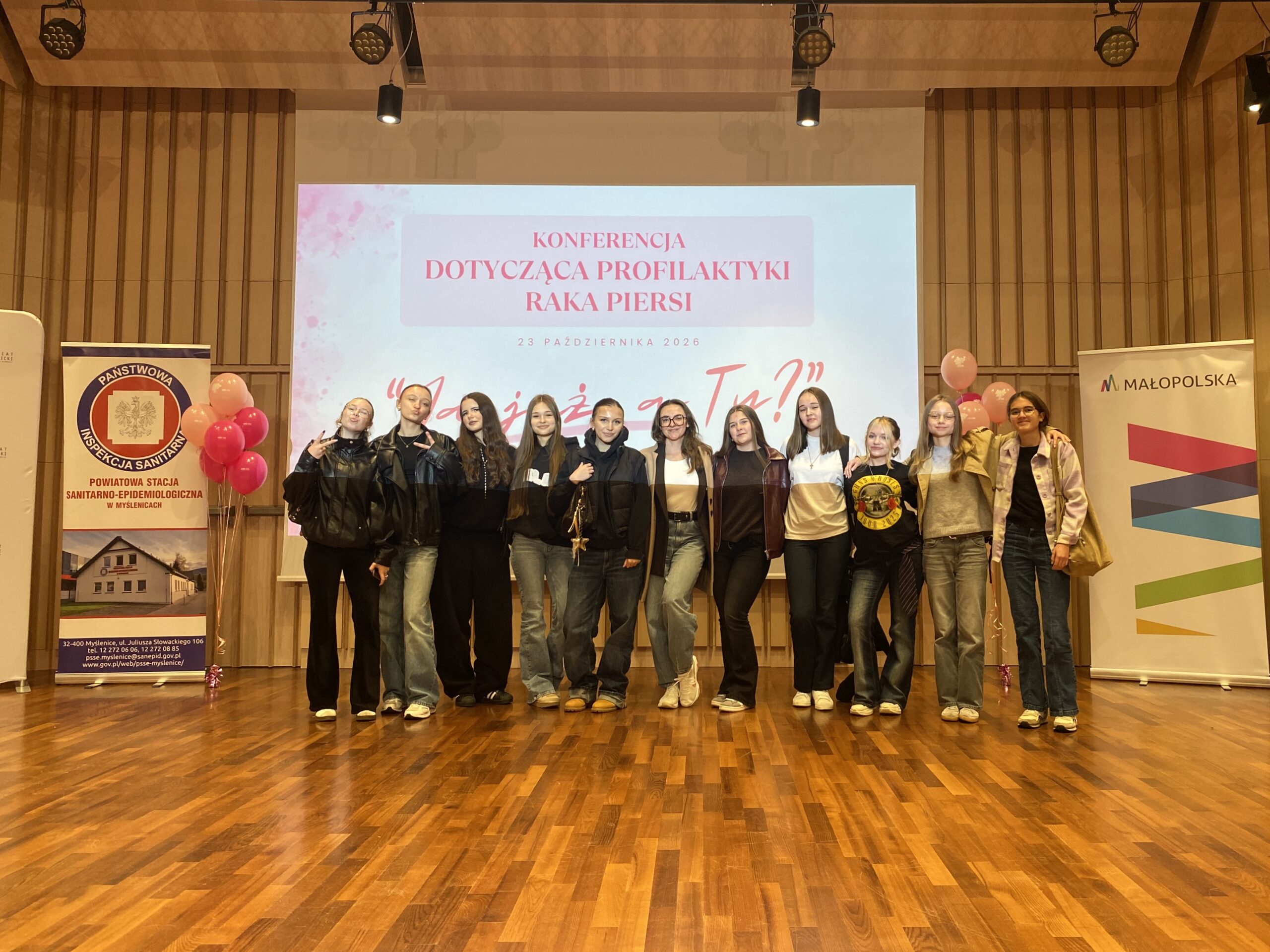
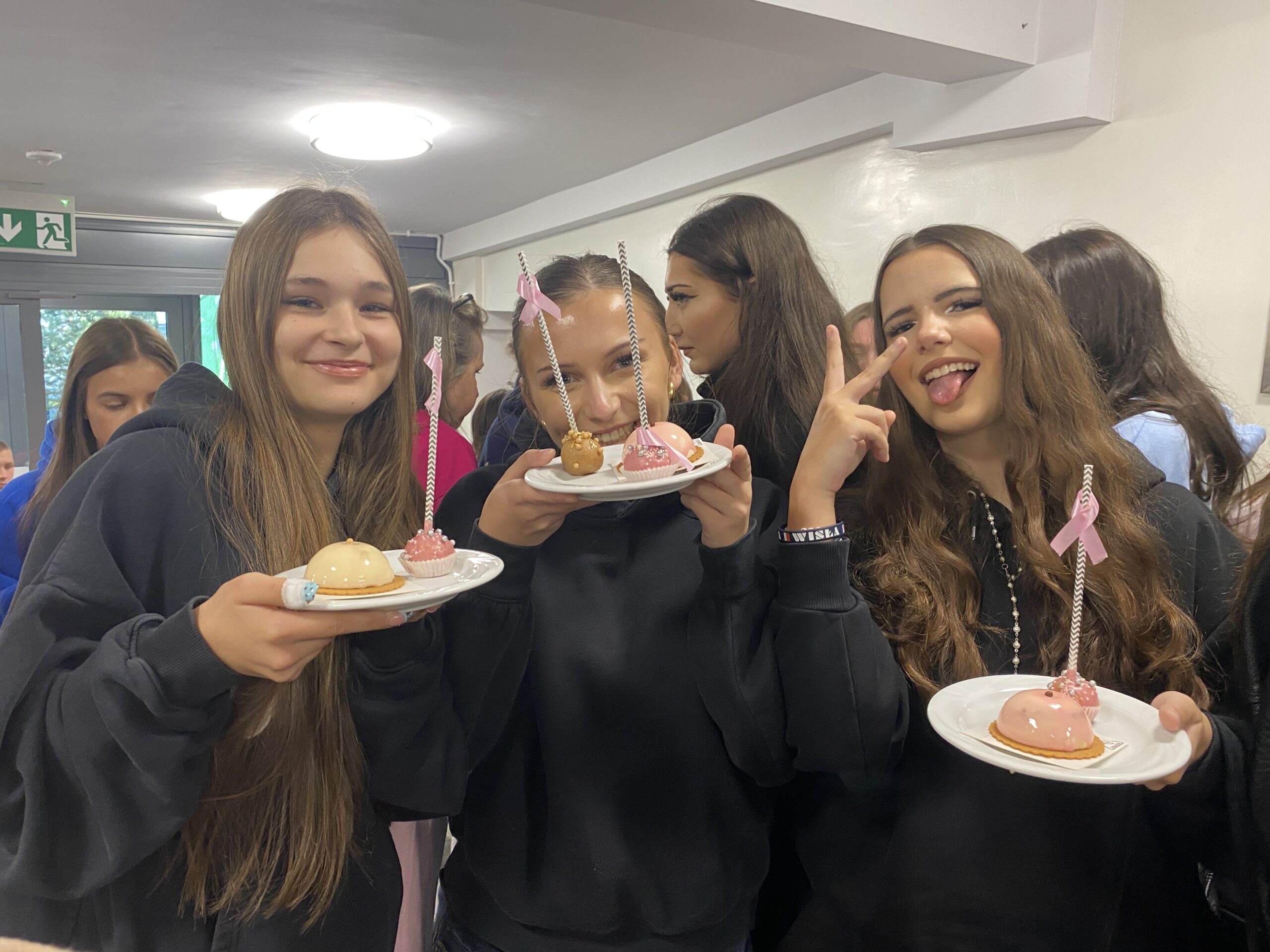
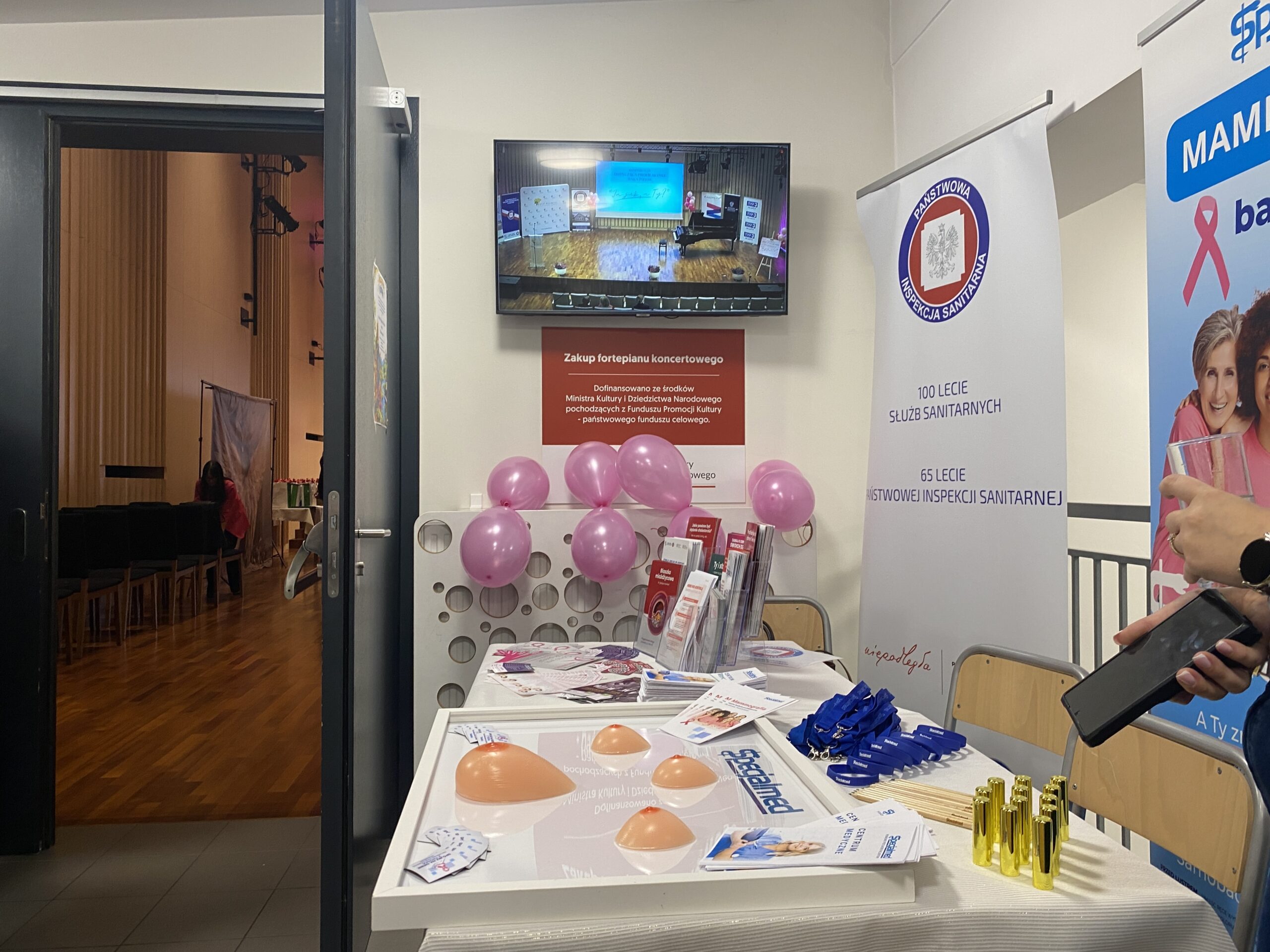
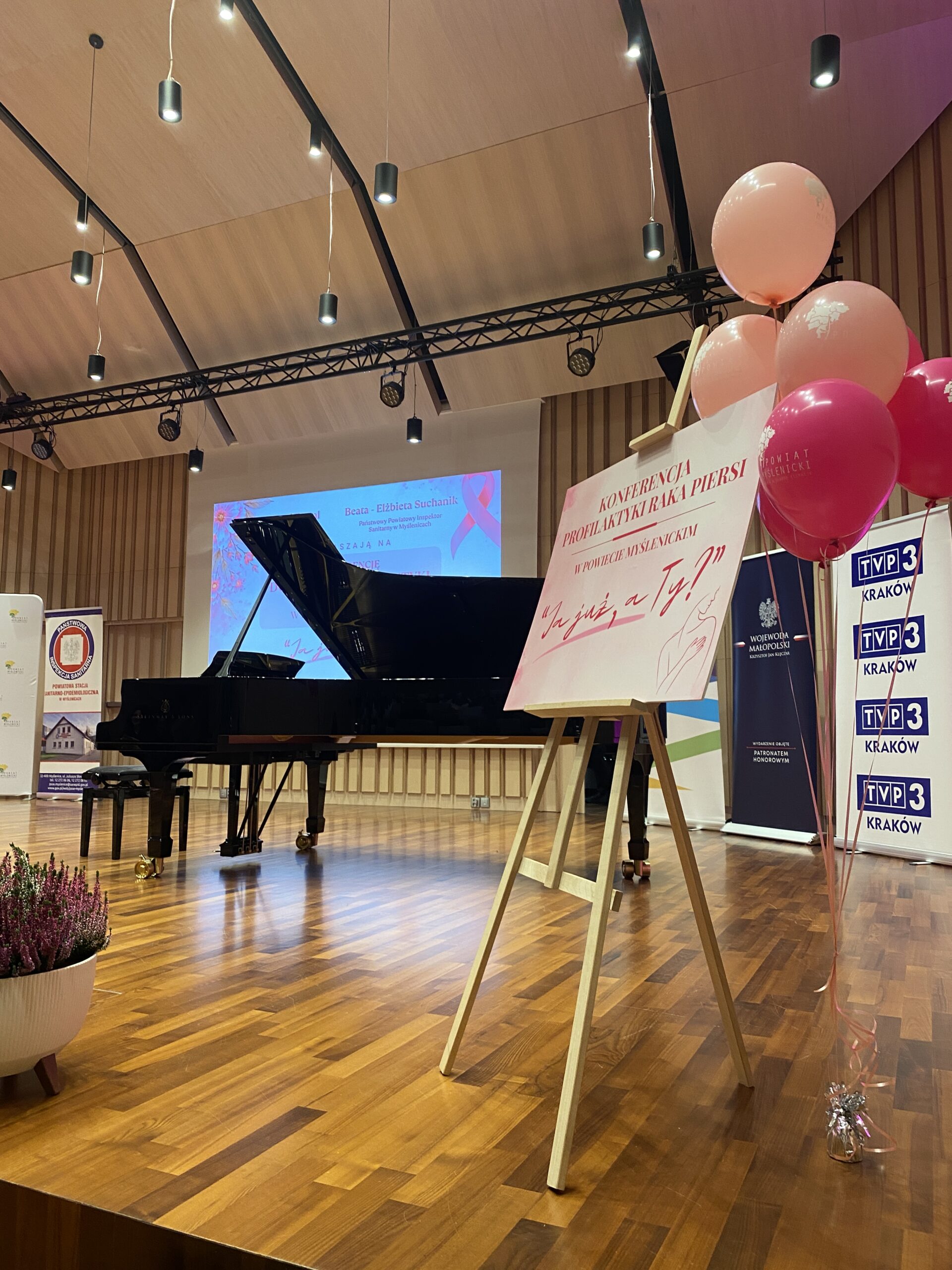
Uczennice klasy 1D wraz z p. Gabrielą Kusiak uczestniczyły w konferencji poświęconej profilaktyce raka piersi w powiecie myślenickim, która odbyła się 23 października w Szkole Muzycznej w Myślenicach.
Wydarzenie rozpoczęła muzyczna niespodzianka – uczennica Szkoły Muzycznej wykonała utwór na fortepianie, wprowadzając uczestników w wyjątkową atmosferę.
Następnie podczas spotkania lekarze i specjaliści przybliżyli uczestniczkom m.in. znaczenie wczesnej diagnostyki, badań profilaktycznych, zdrowego stylu życia oraz kompleksowej opieki nad pacjentkami.
Udział w konferencji stanowił cenne uzupełnienie zajęć z edukacji zdrowotnej, pomagając rozwijać świadomość zdrowotną i kształtować odpowiedzialne postawy wobec własnego zdrowia.
„Ja już, a Ty?” – nie odkładajmy profilaktyki na później!
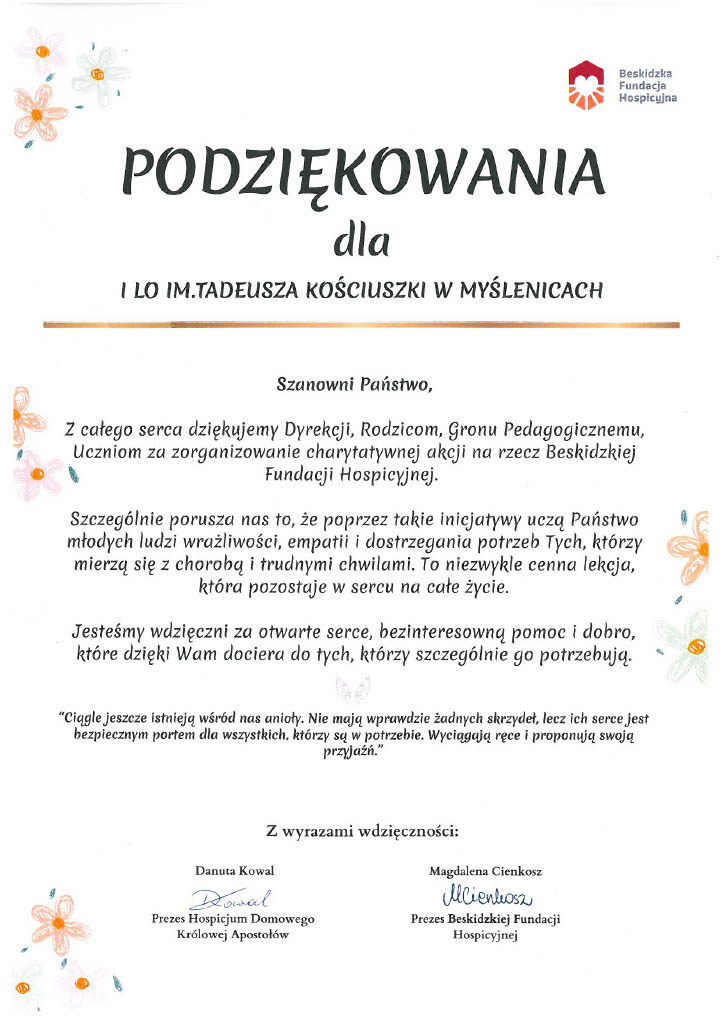
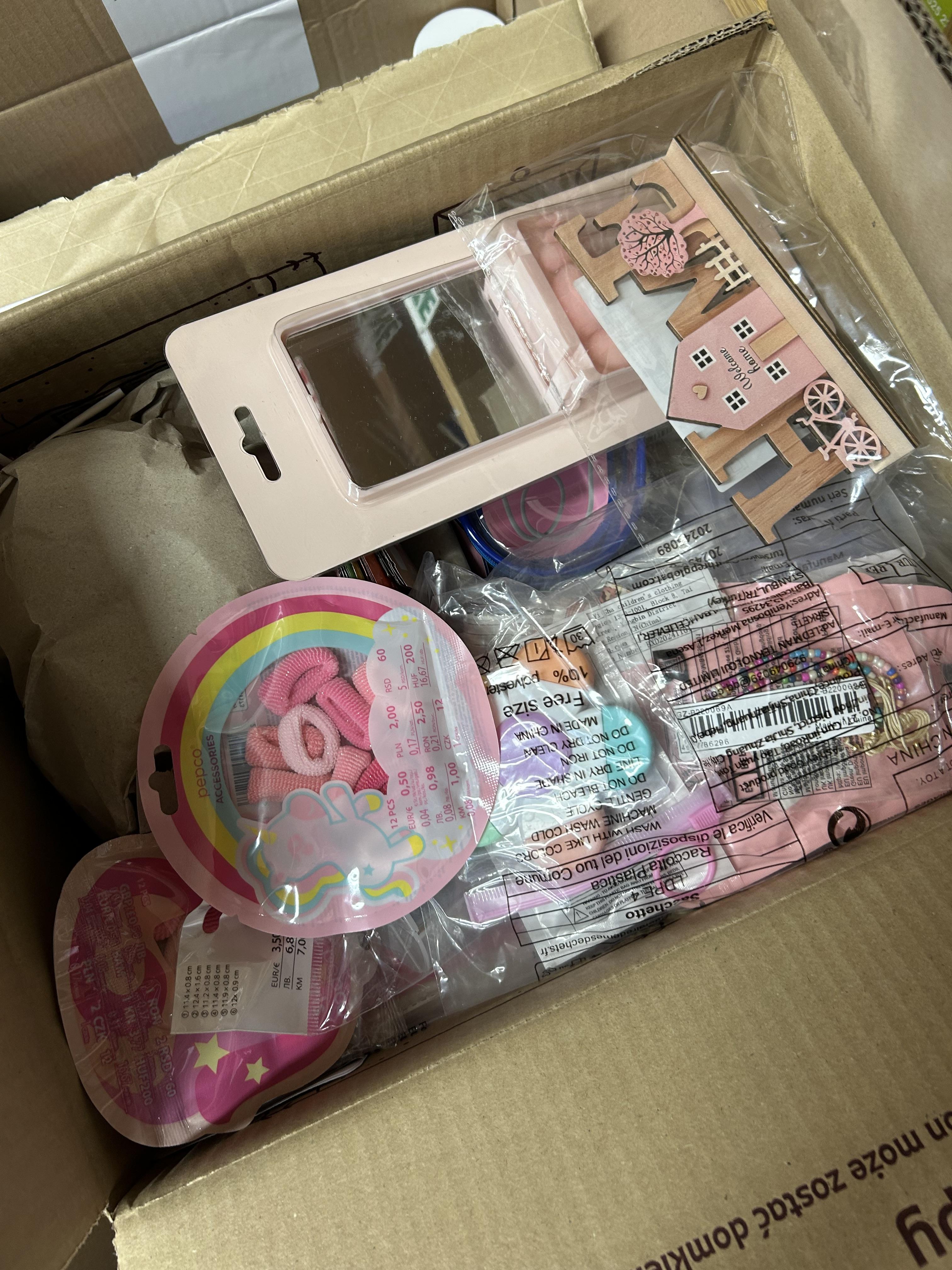
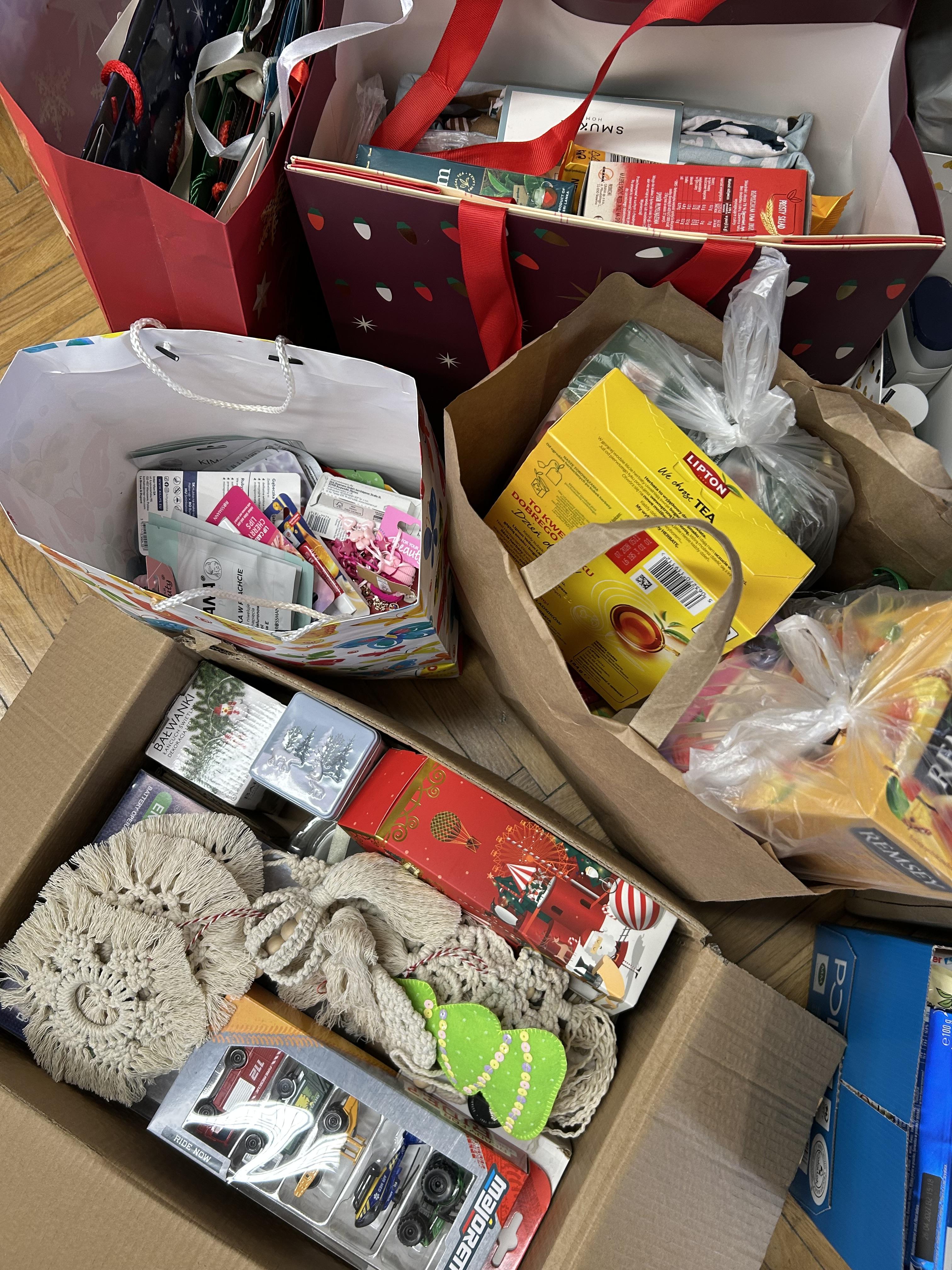
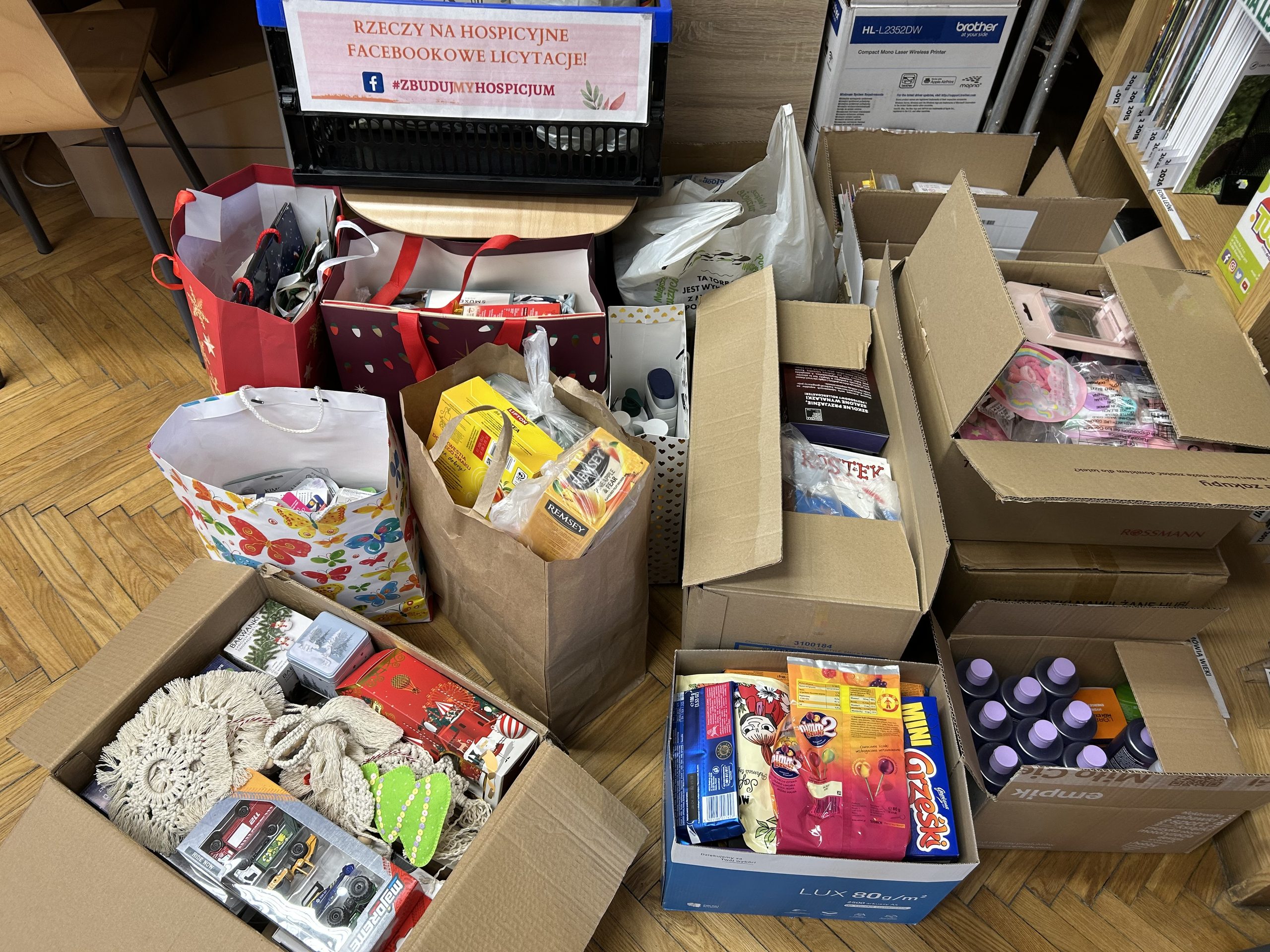
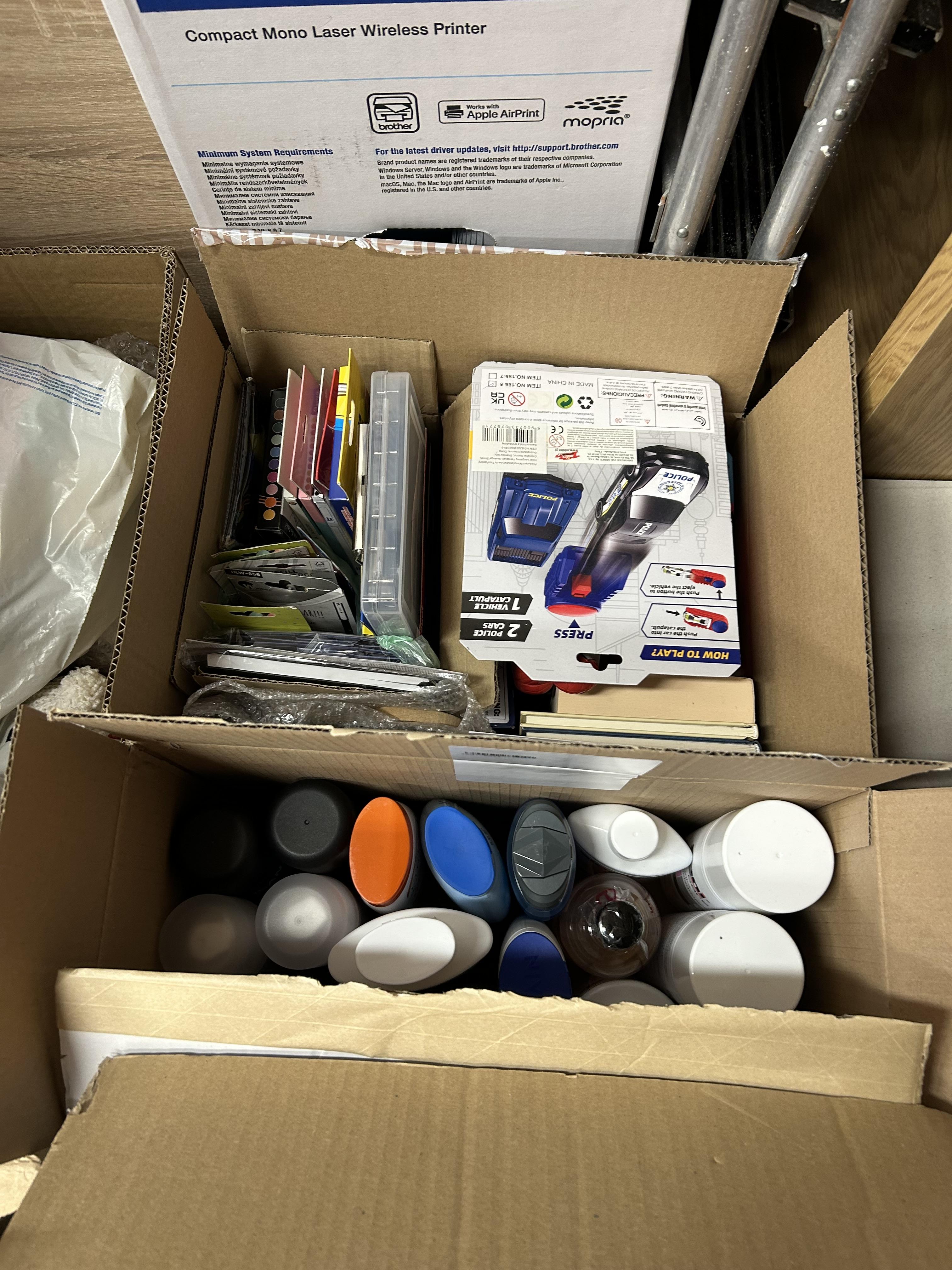
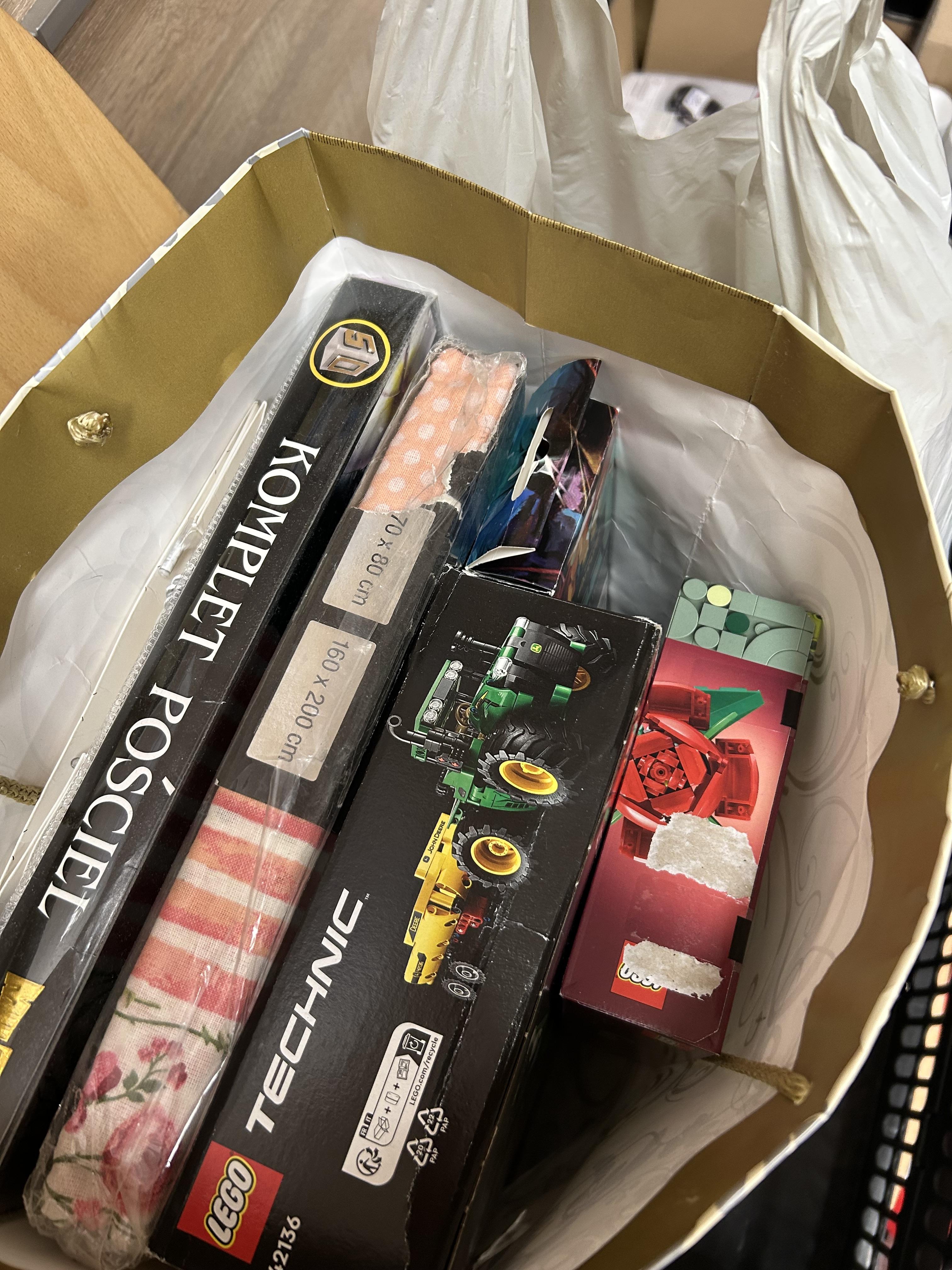
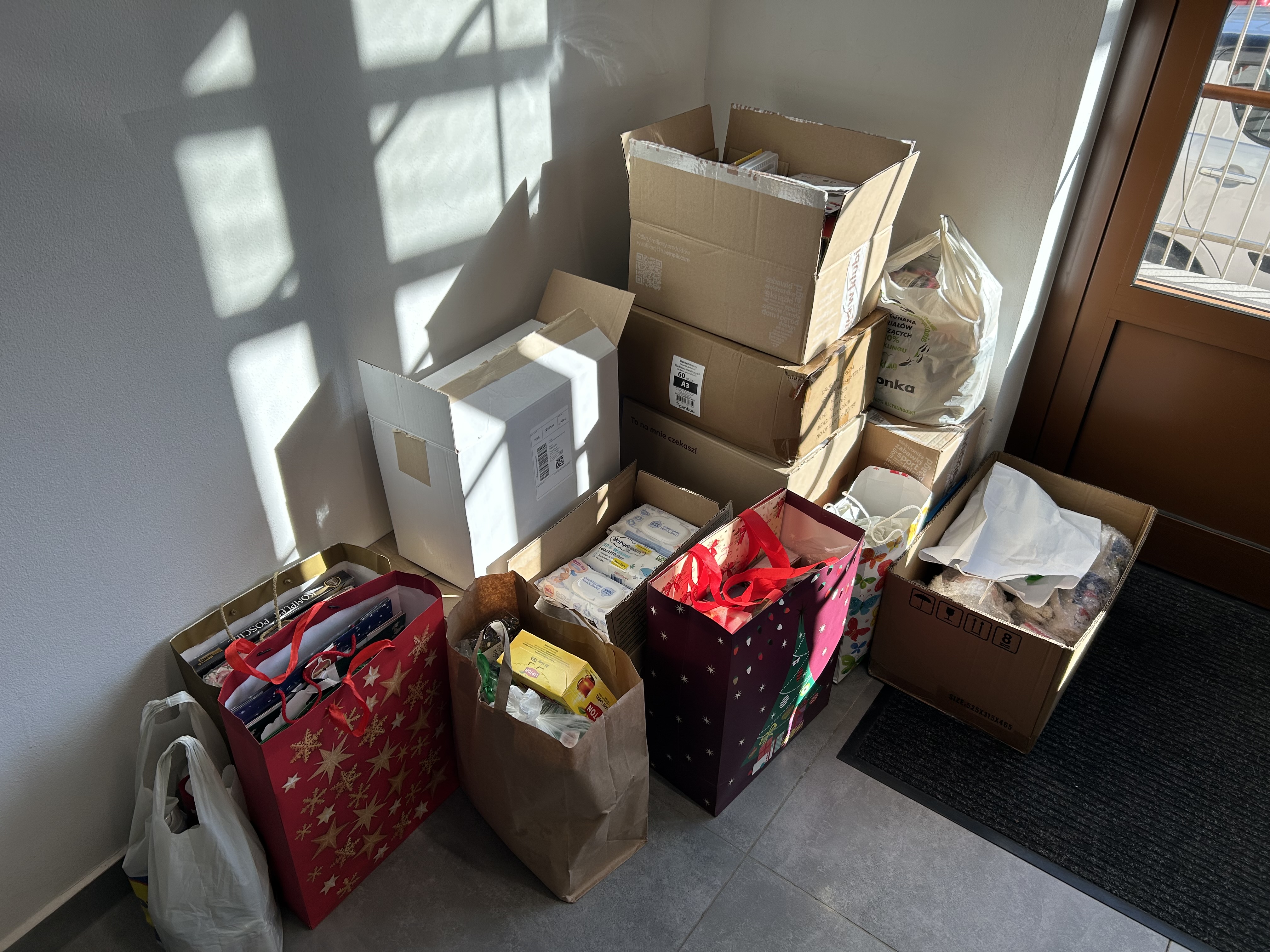
Z całego serca dziękujemy Wam za ogromne zaangażowanie, otwartość i włączenie się w akcję charytatywną na rzecz Beskidzkiej Fundacji Hospicyjnej.
Dzięki Waszej bezinteresownej pomocy, empatii i wspólnemu wysiłkowi po raz kolejny udowodniliśmy, że nasza społeczność szkolna potrafi jednoczyć się w szczytnym celu i nieść realne wsparcie tym, którzy najbardziej tego potrzebują.
Dziękujemy Rodzicom za nieocenione wsparcie i wychowanie młodzieży w duchu wrażliwości, Nauczycielom za przykład, a Uczniom za cudowną energię i otwarte serca.
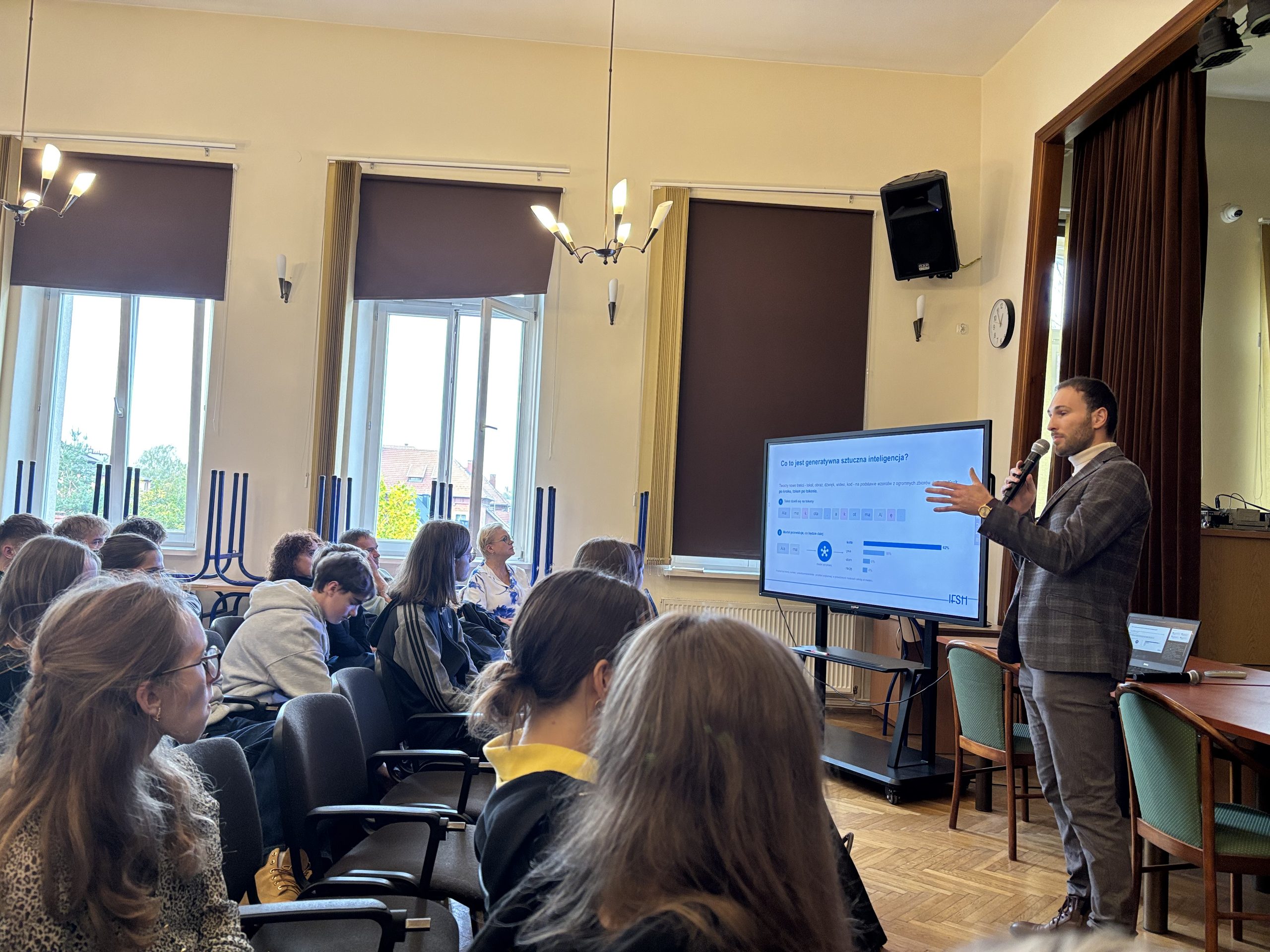
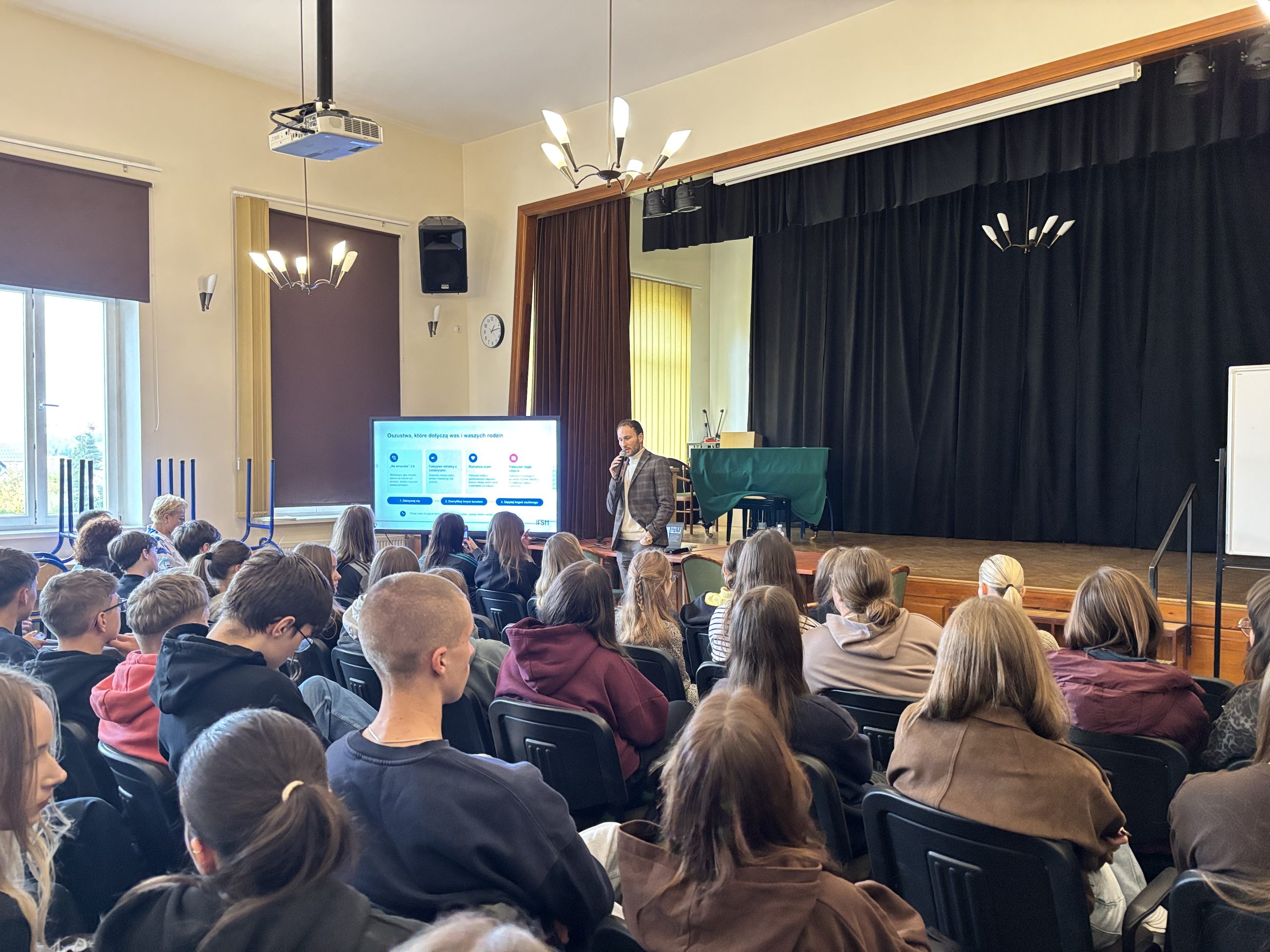
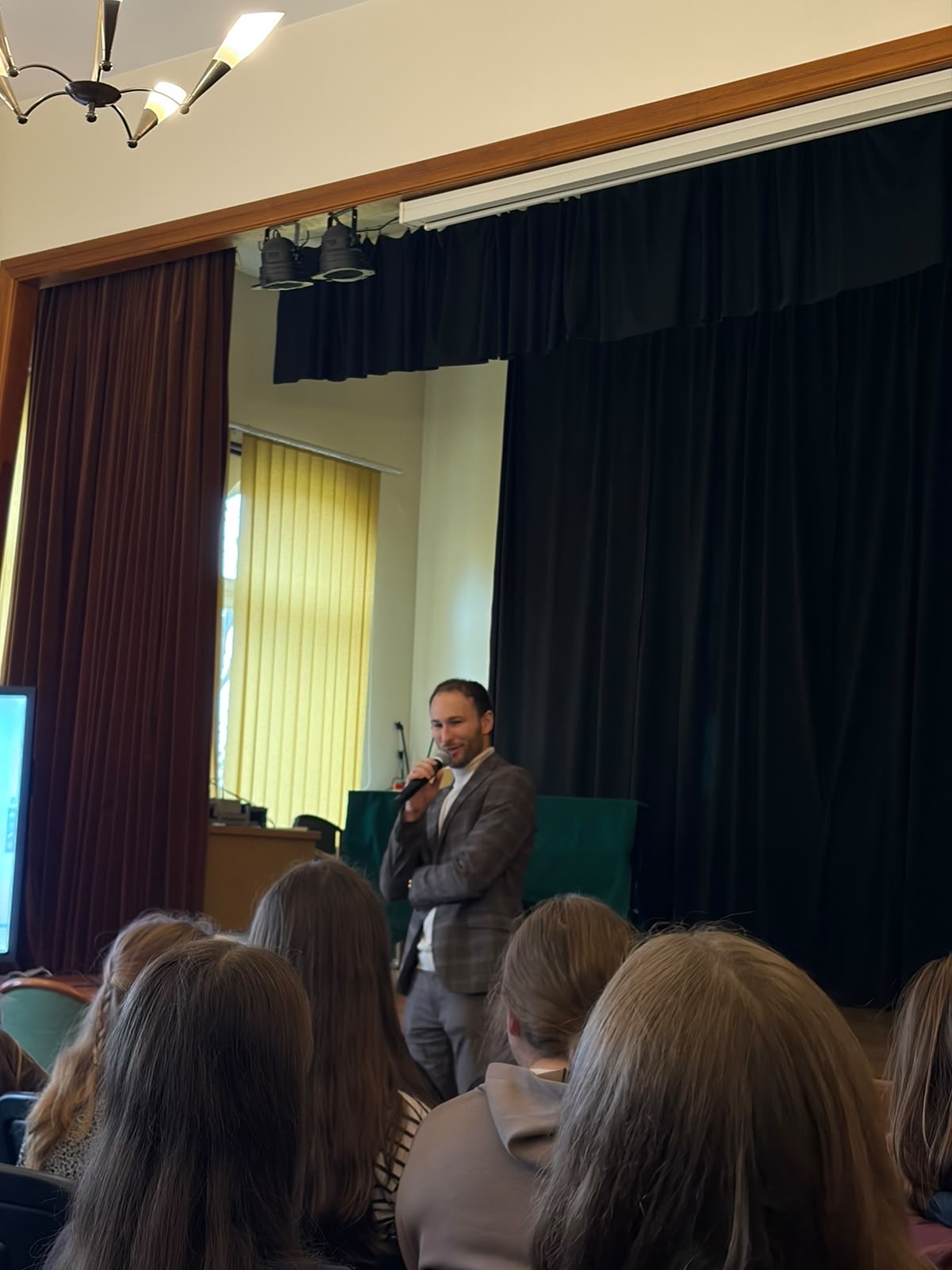
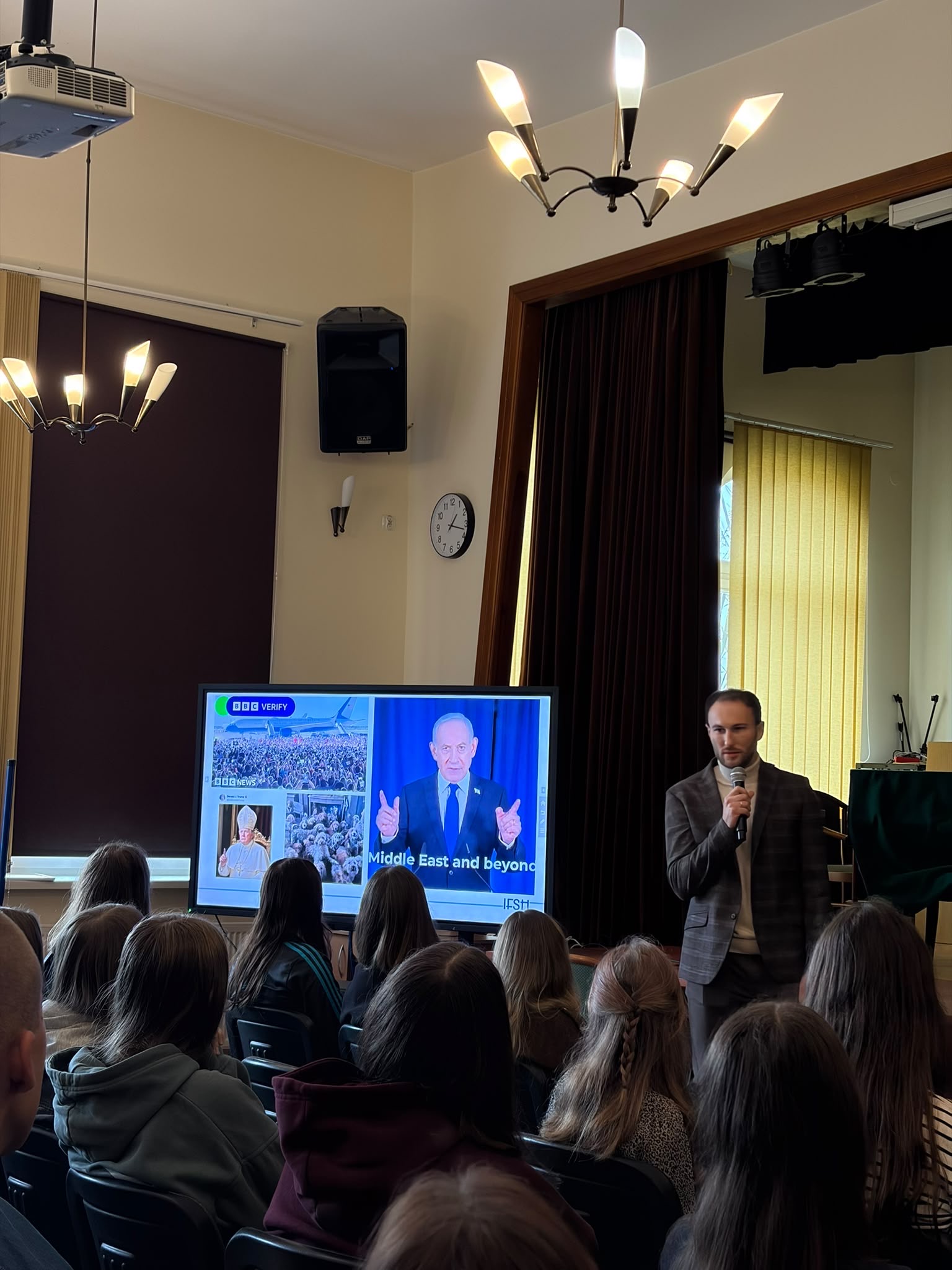
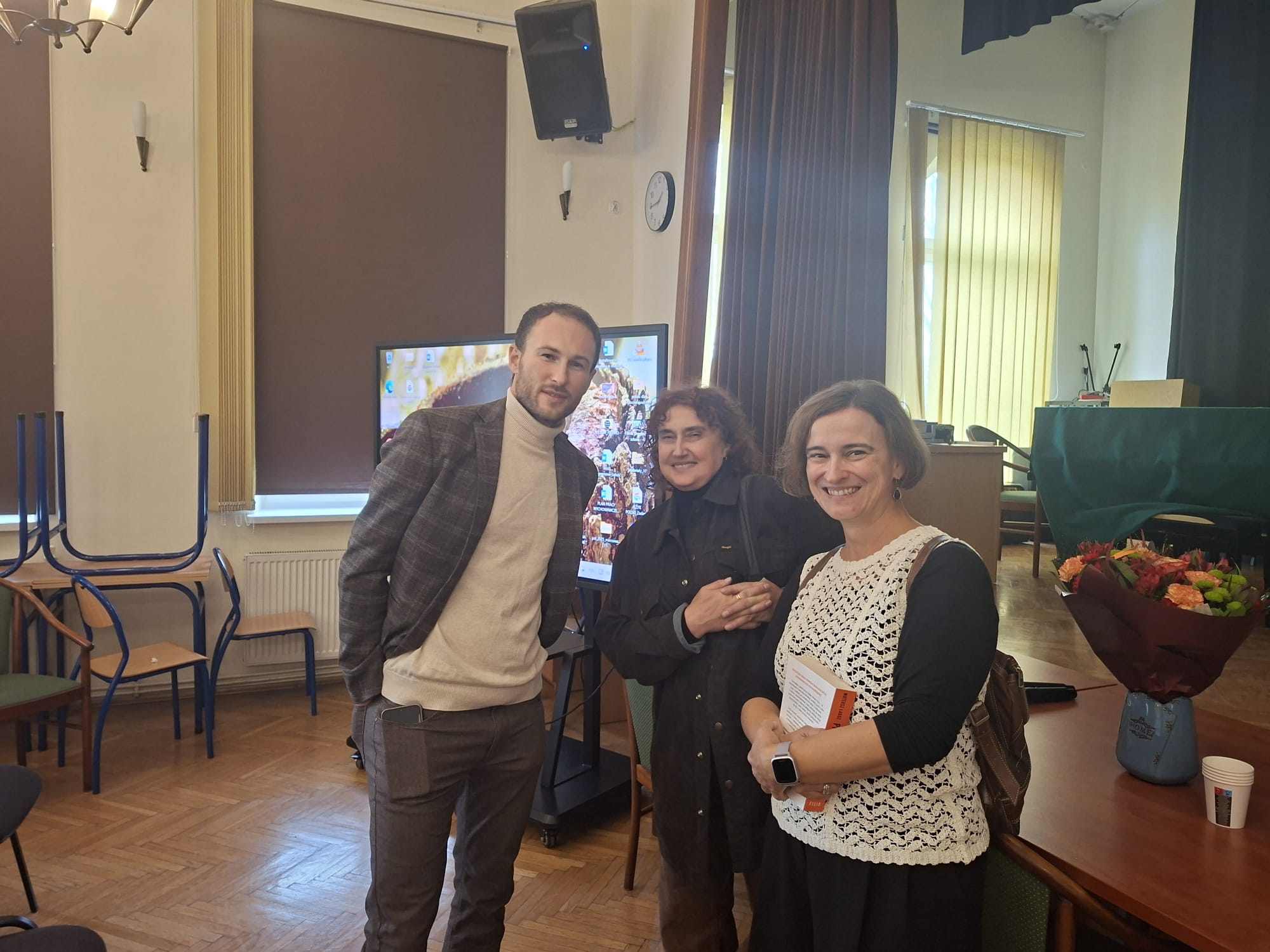
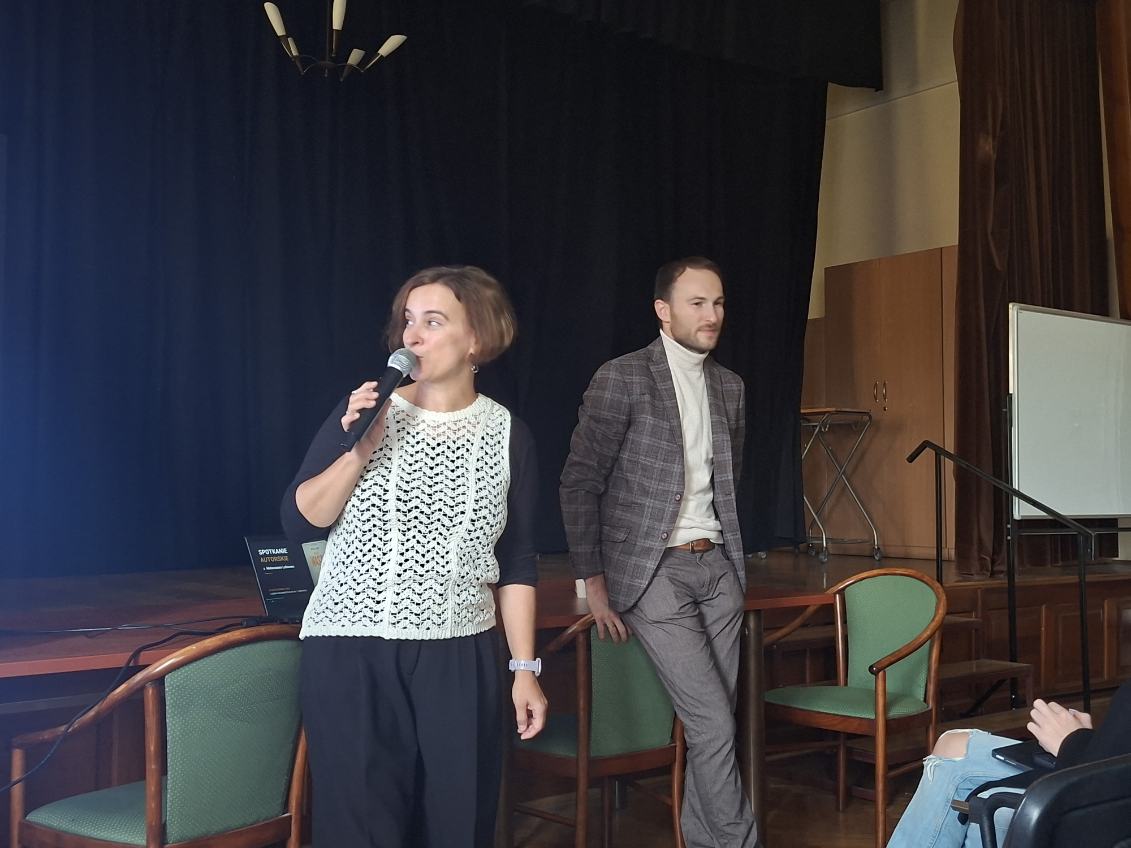
20. października 2026 roku mieliśmy zaszczyt i ogromną przyjemność gościć absolwenta naszego LO – doktora Mateusza Łabuza. Jest on prawdziwym człowiekiem sukcesu, choć ma dopiero 37 lat. ️ Doktor Łabuz, oprócz wykładania na Uniwersytecie Komisji Edukacji Narodowej w Krakowie, jest również naukowcem w Instytucie Badań nad Pokojem i Polityką Bezpieczeństwa przy Uniwersytecie w Hamburgu, dyplomatą, członkiem powołanego przez Ministra Sprawiedliwości ds. bezpieczeństwa dzieci i młodzieży w świecie cyfrowym. Kilka miesięcy temu wydał książkę pt. „Człowiek w syntetycznym świecie deepfake’ów, ChataGPT i sztucznej inteligencji” i właśnie tym zagadnieniom poświęcone było spotkanie z młodzieżą.
Już na samym początku uczniowie zostali zapytani „Czy staniemy się głupsi?”. Pytanie może wydawać się kontrowersyjne, ale poruszyło bardzo ważną kwestię – skoro można użyć ChataGPT do tak wielu rzeczy, to czy nie odbiera on nam możliwości samorozwoju? Czy można uniknąć w tych czasach używania sztucznej inteligencji, a przede wszystkim – czy można jej używać w mądry sposób? Odpowiedzi na wszystkie te pytania mogliśmy poznać w trakcie interesującego spotkania. Zarówno uczniowie, jak i nauczyciele byli bardzo zaangażowani w wykład, uważnie słuchając i odpowiadając na pytania prelegenta. Doktor Mateusz Łabuz poprowadził spotkanie w bardzo interesujący sposób – ukazując poważne problemy związane z AI (dług kognitywny, nieufność w relacji nauczyciel-uczeń, deepfake’i, zanik umiejętności pisania czy myślenia krytycznego, etc.), wprowadzając elementy humorystyczne, które rozbawiły uczestników w auli oraz zasady używania sztucznej inteligencji w sposób dobry, przydatny.
Wiedzę zdobytą na spotkaniu mogą wykorzystać zarówno uczniowie, jak i nauczyciele. W czasach tak ogromnego rozwoju technologicznego każdy powinien zdawać sobie sprawę z zagrożeń oraz zalet cyfrowych narzędzi, takich jak np. ChatGPT. Teraz nie da się uniknąć użycia AI – jest ona wykorzystywana w większości przeglądarek, stron internetowych czy portali. Grunt to znać umiar i wiedzieć, jak jej używać. Doktorowi Mateuszowi Łabuzowi ogromnie dziękujemy za wyłożenie tej kluczowej w XXI w. wiedzy oraz gratulujemy dotychczasowych sukcesów i życzymy następnych!
W dniach 21.09. – 28.09.2026 odbyła się kolejna wymiana między naszą szkołą i Freiherr-vom Stein-Gymnasium w Betzdorf/ RFN. Udało się ją zorganizować po 8 latach przerwy, spowodowanej pandemią covida, wydarzeniami w Europie oraz zmianami w naszej szkole partnerskiej. Umowę o wymianie pomiędzy szkołami podpisali dyrektorzy obu szkół w 1987 roku i od tego czasu wielokrotnie młodzież uczestniczyła w interesujących programach w Myślenicach i w Betzdorf. Niektóre przyjaźnie przetrwały przez lata. A jak było tym razem? Poczytajcie.
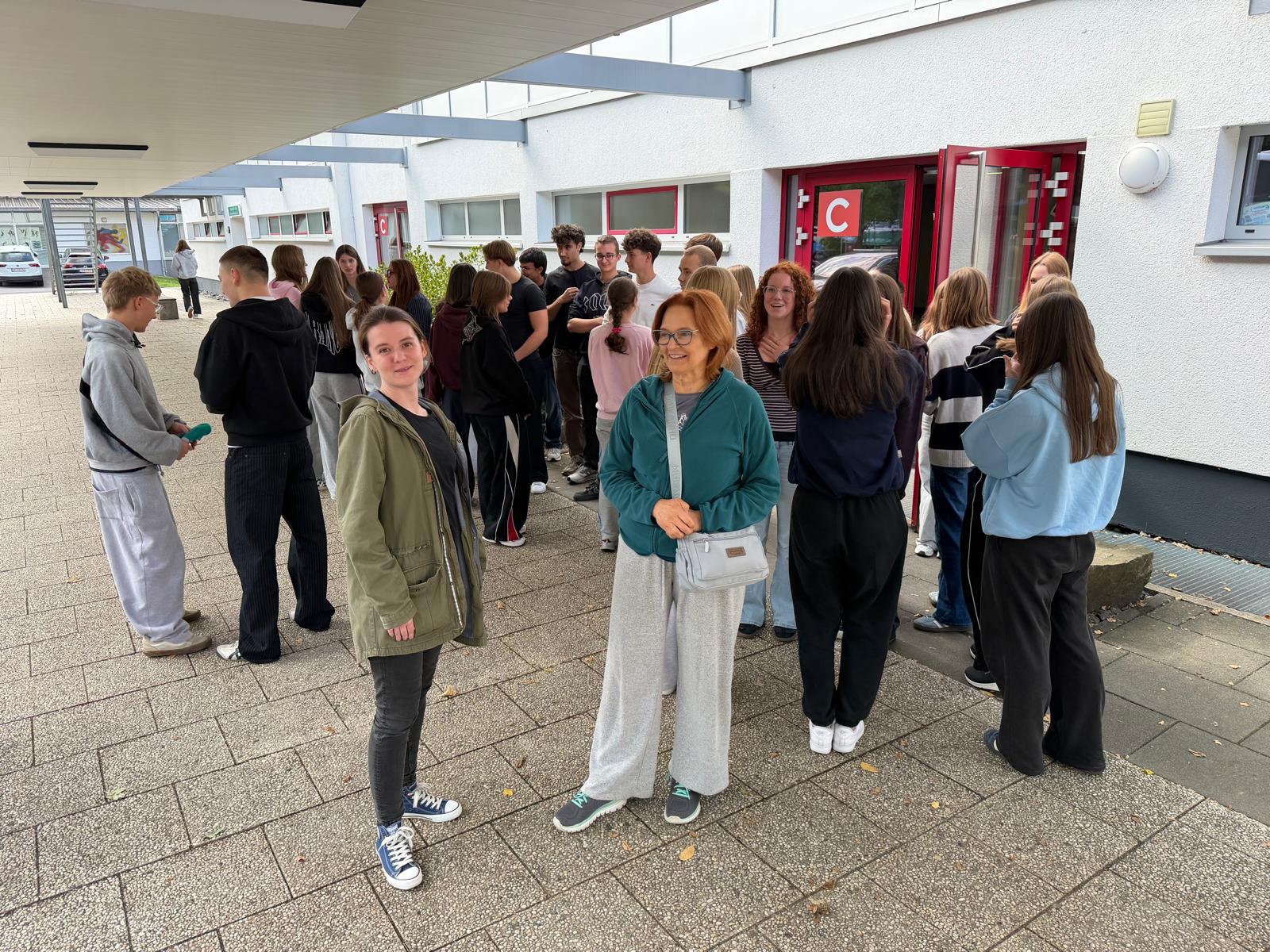
Dzień pierwszy –21września Wyjechaliśmy z Polski 20 września około godziny 23:00. Podróż do Niemiec trwała kilkanaście godzin. Po drodze mieliśmy kilka przystanków, podczas których mogliśmy odpocząć, rozprostować nogi oraz skorzystać z toalety. Podczas jednego z postojów podeszła do nas nieznajoma kobieta. Zwróciła się do nas po polsku, mówiąc: „Dziewczynki, nie dajcie się zwieść tęczowcom”. Następnie życzyła nam błogosławieństwa Bożego i odeszła. Była to dość nietypowa i niespodziewana sytuacja, która zapadła nam w pamięć. Do Niemiec dotarliśmy 21 września około godziny 14:00. Po przyjeździe zostaliśmy przywitani w szkole w Betzdorf. Na miejscu czekał na nas poczęstunek przygotowany przez gospodarzy. Dostaliśmy między innymi cynamonki, babeczki oraz coś do picia. Był to miły początek naszego pobytu i okazja, żeby chwilę odpocząć po długiej podróży. Następnie przyjechali rodzice osób, u których mieliśmy zamieszkać podczas wymiany. Zabraliśmy nasze rzeczy i pojechaliśmy do ich domów. Po przyjeździe rozpakowaliśmy się i mogliśmy odpocząć po długiej podróży. Po powrocie niektórzy z nas odpoczywali po długiej podróży, a inni spędzali czas ze swoimi niemieckimi rodzinami. Rozmawialiśmy ze sobą i mieliśmy okazję lepiej się poznać.
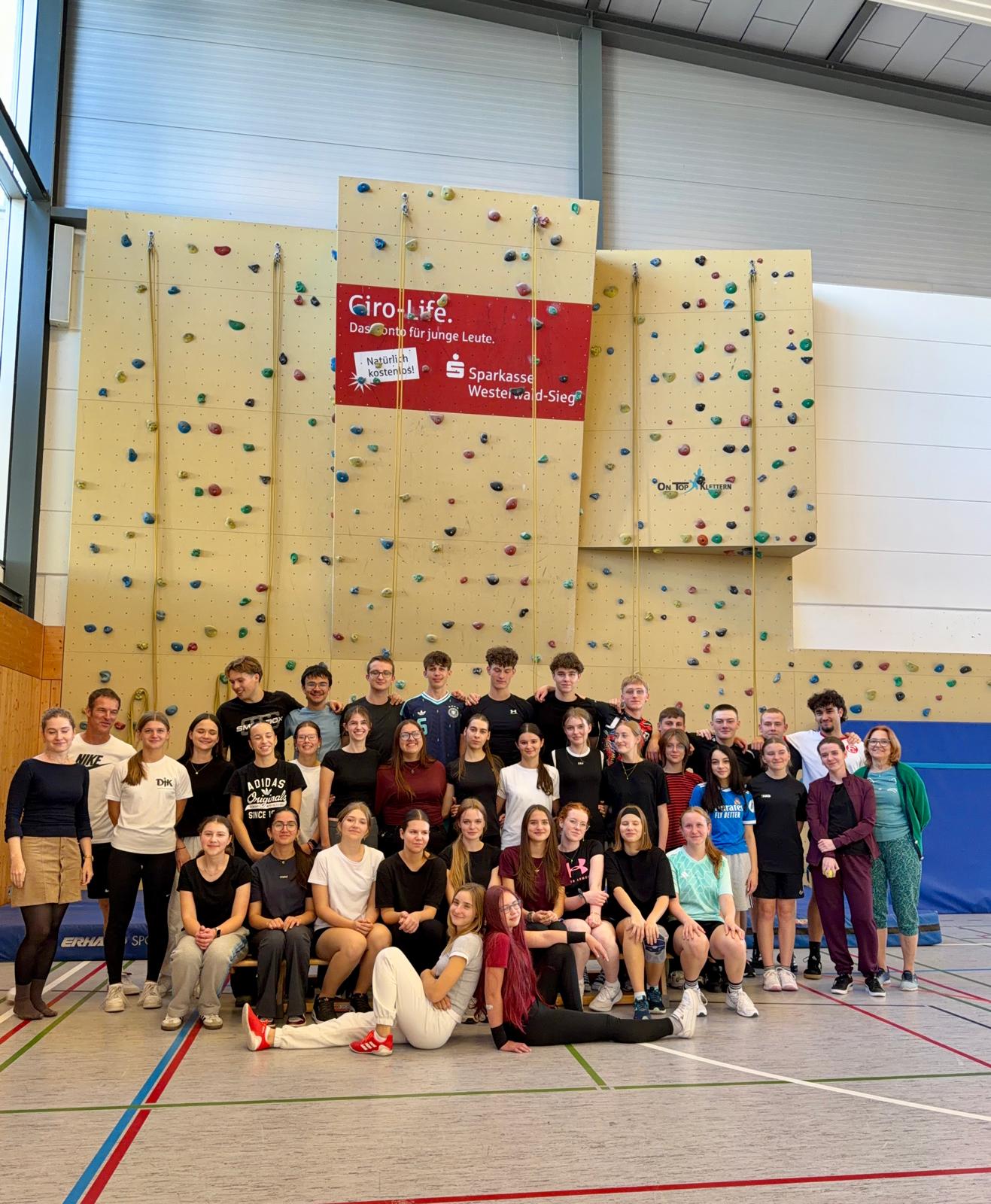
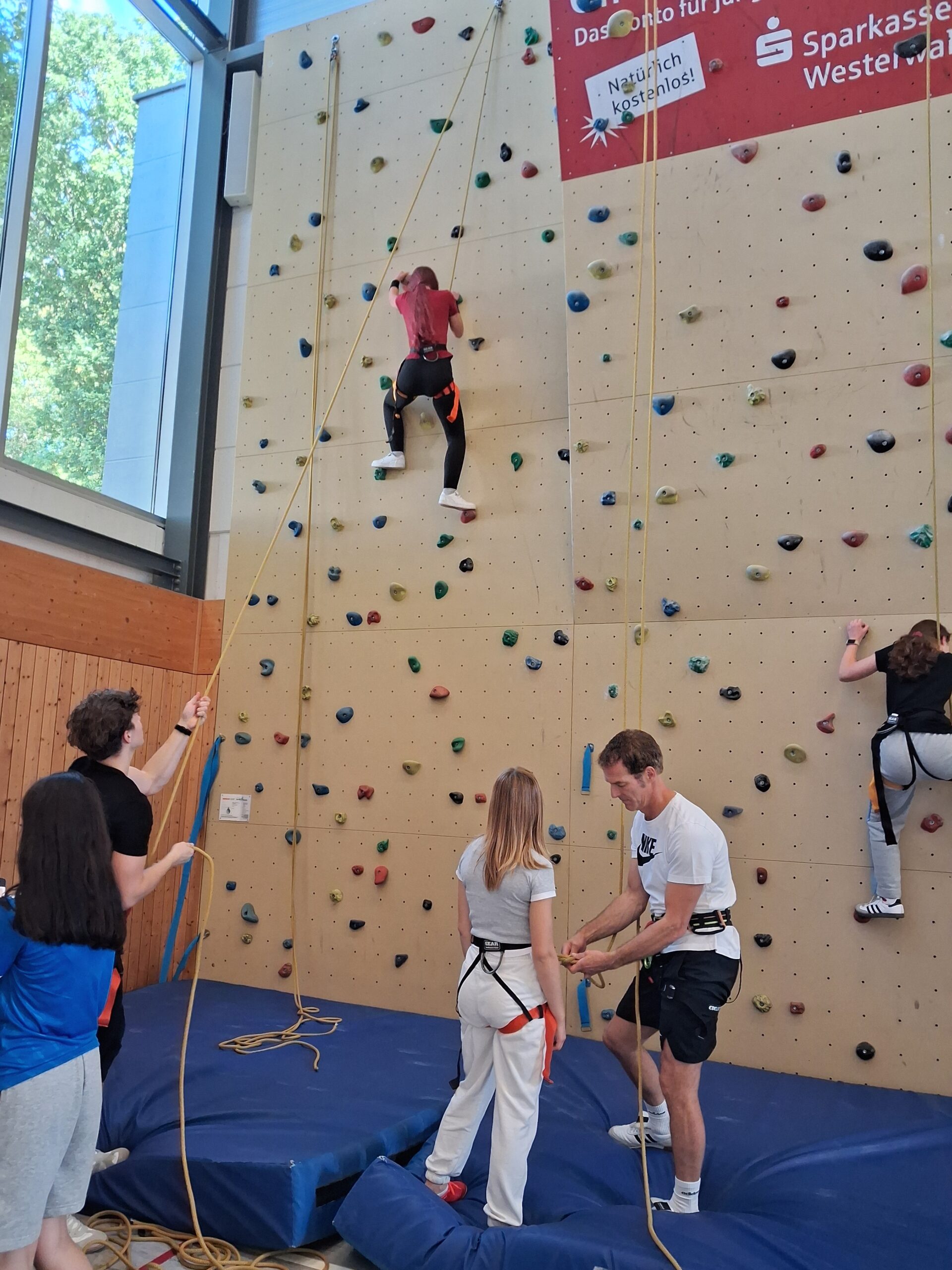
Dzień drugi – 22 września Drugiego dnia dotarliśmy do niemieckiej szkoły, w której zostaliśmy przywitani w poniedziałek. O godzinie 8:00 odbyło się spotkanie z panią dyrektor, która serdecznie nas przywitała. Następnie rozpoczęło się oprowadzanie po szkole. Pokazano nam między innymi łazienki, sale lekcyjne, salę gimnastyczną oraz siłownię. Zauważyliśmy, że szkoła jest bardzo nowoczesna i pod wieloma względami różni się od naszej szkoły w Polsce. Następnie odbyły się zajęcia z lepienia z gliny. Każdy mógł wykonać coś według własnego pomysłu. Wiele osób zrobiło miseczki, a inni lepili różnego rodzaju figurki. Zajęcia były ciekawym doświadczeniem i pozwoliły nam wykazać się kreatywnością. Po zakończeniu zajęć z gliny poszliśmy na lekcje, aby zobaczyć, jak wygląda nauka w niemieckiej szkole. Mogliśmy porównać sposób prowadzenia zajęć oraz organizację lekcji z tym, do czego jesteśmy przyzwyczajeni w Polsce. Następnie zjedliśmy wspólny obiad. Na posiłek podano nam lasagne. Po obiedzie przebraliśmy się w stroje sportowe i udaliśmy się na zajęcia sportowe razem z niemieckimi uczniami. Wspólnie graliśmy w różne gry z wykorzystaniem piłki. Była to dobra okazja do integracji i spędzenia czasu razem. Na zakończenie – ścianka wspinaczkowa dla osób, które chciały spróbować swoich sił. Cały dzień był bardzo różnorodny, mieliśmy okazję zarówno poznać niemiecką szkołę i uczestniczyć w lekcjach, jak i wspólnie spędzić czas z niemieckimi uczniami. Po zakończeniu zajęć wróciliśmy do swoich domów. Mogliśmy ponownie spędzić czas z naszymi niemieckimi rodzinami, spotkać osoby z naszej szkoły, pograć w gry planszowe, zjeść wspólnie kolację, porozmawiać z nimi i lepiej się poznać. W ten sposób zakończył się drugi dzień naszej wymiany. Magda i Justyna
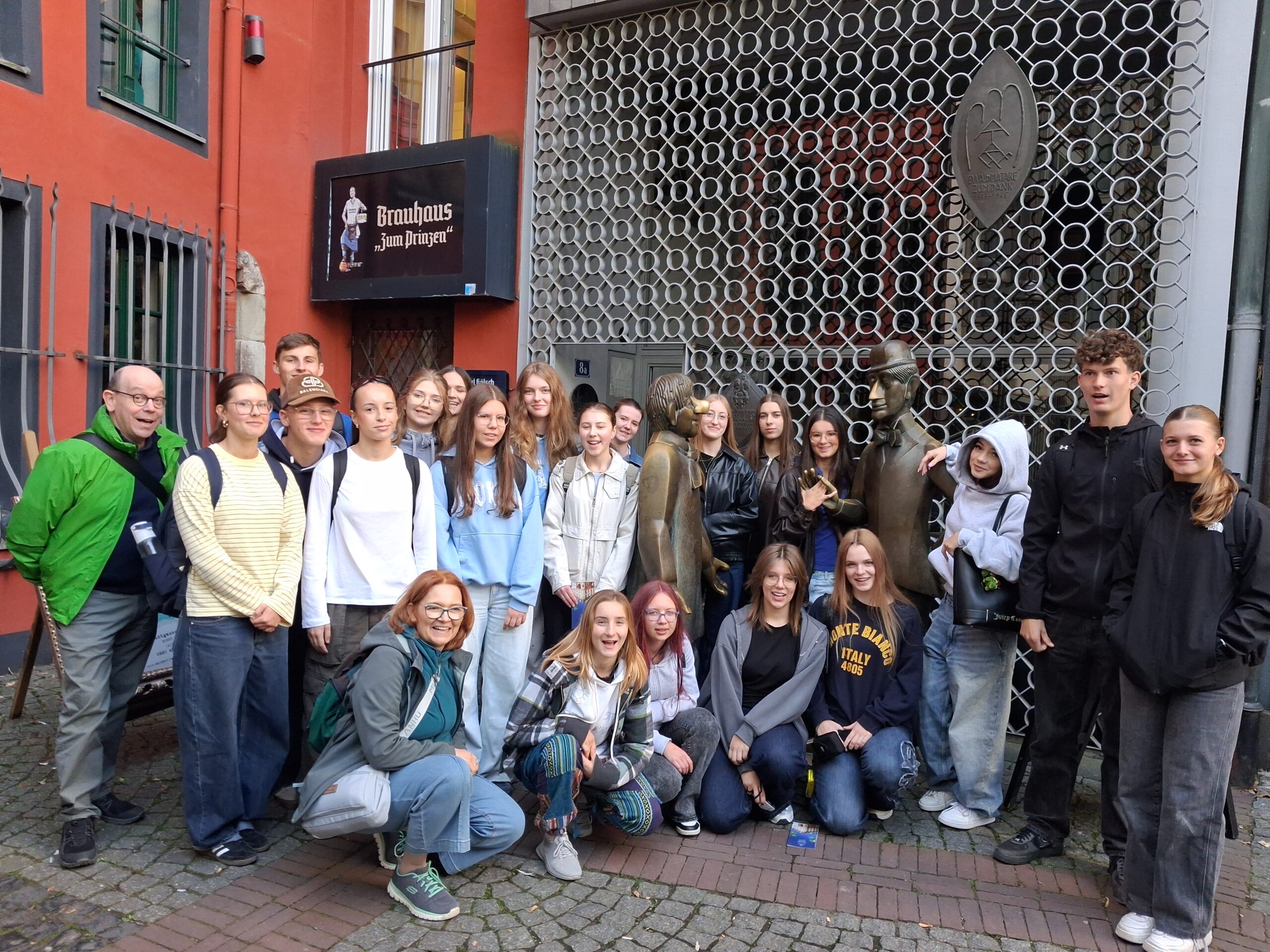
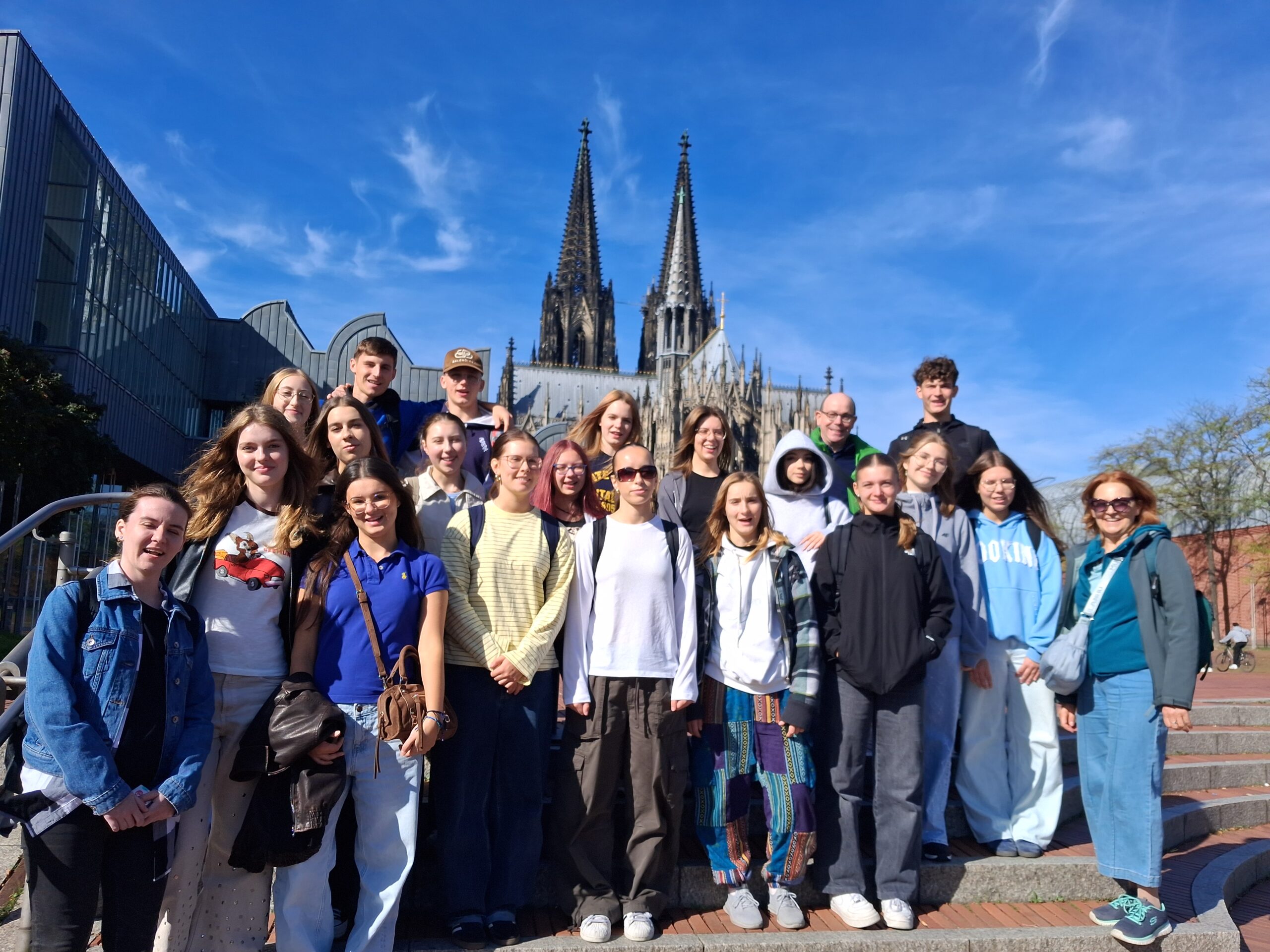
Dzień trzeci –23września W środę odbyła się jednodniowa wycieczka do Kolonii. Najpierw byliśmy oprowadzeni po tym wyjątkowym mieście przez panią przewodnik. Zobaczyliśmy między innymi słynną Katedrę. Oglądnęliśmy ją zarówno z zewnątrz, jak i od środka. Odwiedziliśmy też miejsce narodzin wody kolońskiej. Ten budynek to równocześnie sklep oraz muzeum, gdzie można zaopatrzyć się w pamiątkę w postaci oryginalnych perfum. Następną destynacją był bardzo popularny most z kłódkami – Hohenzollernbrücke. Podczas zwiedzania dowiedzieliśmy się również wielu ciekawych informacji o historii miasta i jego tradycjach, między innymi o karnawale i niemieckich zwyczajach. Mieliśmy także trochę czasu na zakup pamiątek. Następnie udaliśmy się do Muzeum Czekolady. Dowiedzieliśmy się, jak powstaje i jest produkowana. Bardzo ciekawym doświadczeniem było oddzielne spróbowanie składników czekolady. Wycieczka była bardzo udana. Połączyliśmy zwiedzanie i poznawanie historii Kolonii z ciekawą wizytą w Muzeum Czekolady. Był to bardzo przyjemnie spędzony dzień, jeden z naszych ulubionych podczas wymiany w Niemczech. Oliwia, Justyna i Kasia
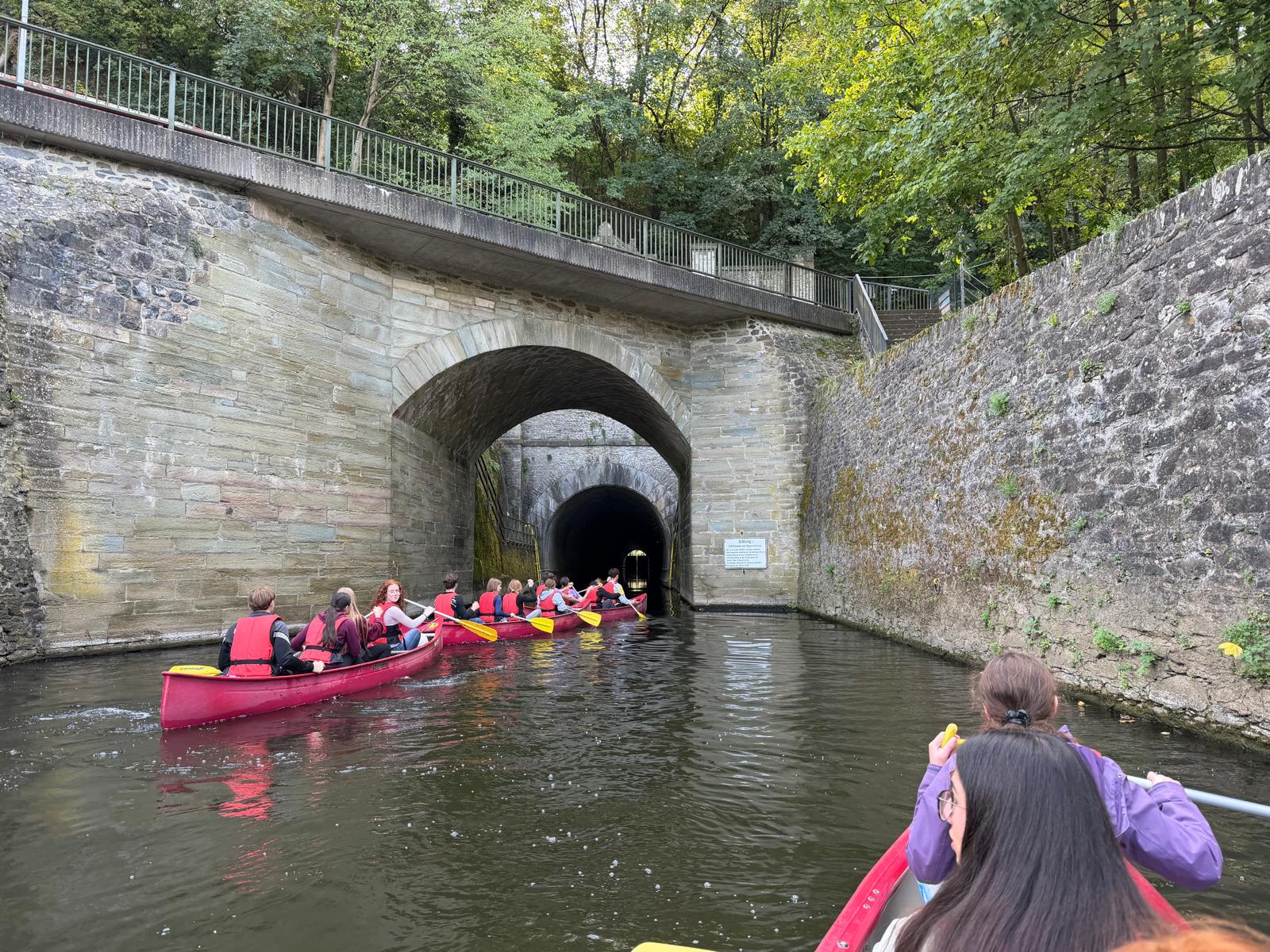
Dzień czwarty – 24 września W czwartek odbył się wyjazd na kajaki wraz z uczniami niemieckiej szkoły. O godzinie 9.30 mieliśmy zbiórkę a po chwili wyjechaliśmy. Dojechaliśmy na około 11. Po krótkim szkoleniu dotyczącym zasad bezpieczeństwa wsiedliśmy do kajaków i rozpoczęliśmy spływ po rzece Lahn. Podczas trasy podziwialiśmy piękne widoki i świetnie się bawiliśmy. Nie obyło się bez drobnych problemów – jeden z kajaków się obrócił, a jego załoga wpadła do wody. Po dłuższej chwili płynęliśmy dalej. Po zakończeniu spływu wróciliśmy do autobusu i wyruszyliśmy w drogę powrotną. Dzień był bardzo udany. Spędziliśmy czas aktywnie, a wspólna przygoda pozwoliła nam lepiej się poznać i zintegrować. Hania i Julia
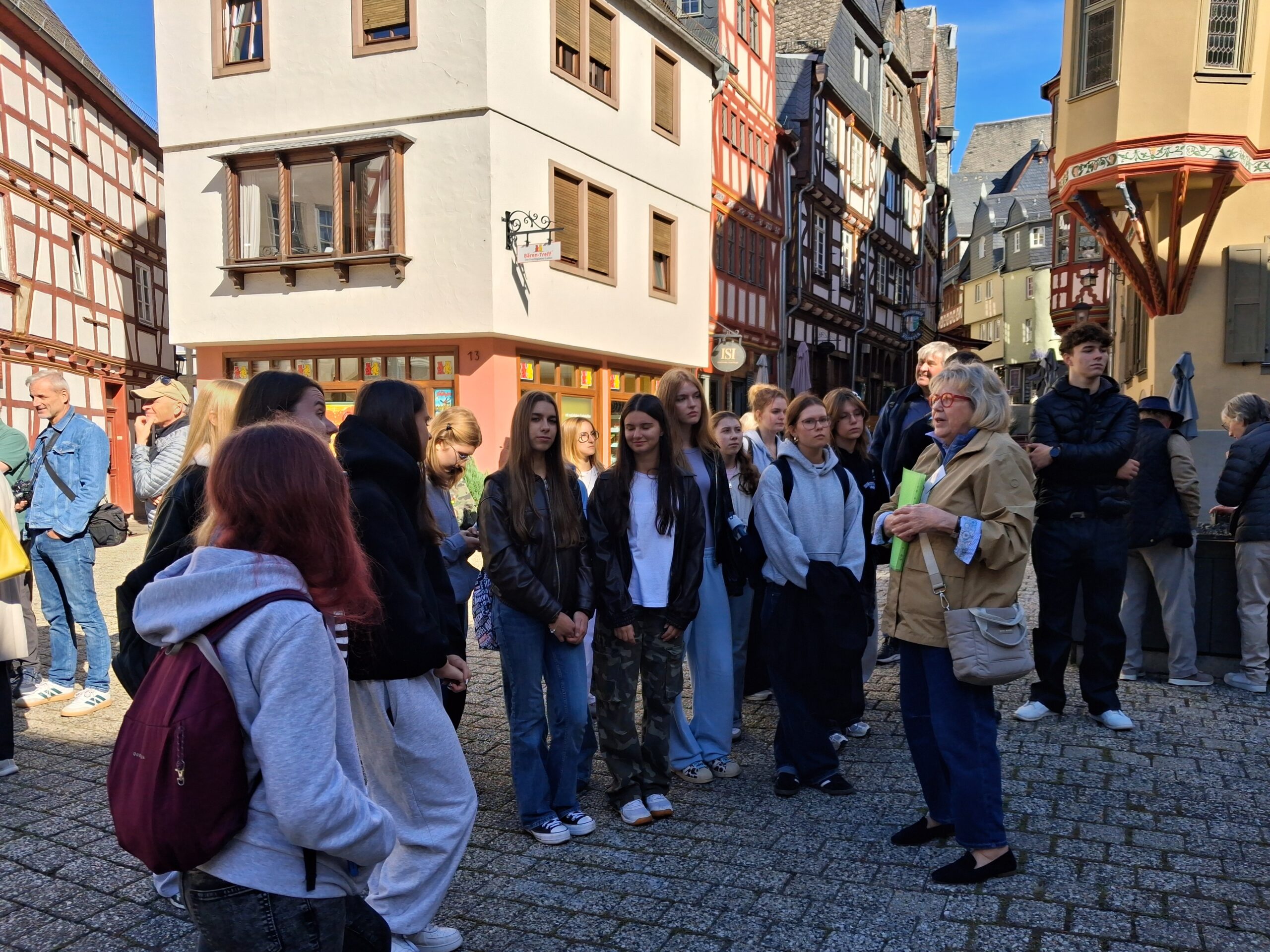
Dzień piąty – 25 września Kolejny dzień rozpoczęliśmy tradycyjnie zbiórką przy autokarze. Wyjechaliśmy ciekawi, co zobaczymy w mieście, do którego zmierzaliśmy – Limburga. Na miejscu przywitała nas pani przewodnik. Zwiedzanie rozpoczęliśmy od mostu nad rzeką Lahn, łączącego drogę z Kolonii do Frankfurtu. Pełnił on bardzo ważną funkcję handlową, prawie każdy, kto przez niego przejeżdżał musiał płacić myto, co pozwoliło miastu się wzbogacić. Z mostu przeszliśmy na starówkę, gdzie mieliśmy okazję zobaczyć zabytkowe, jedne z najstarszych domów w Niemczech, pochodzą z XIII w. Są to tzw. domy szachulcowe, budowane z drewnianego szkieletu wypełnianego najczęściej gliną, widoczne belki tworzą charakterystyczny wygląd. Mieliśmy także możliwość wejść do piwnicy jednego z nich i zobaczyć jak działała w tamtych czasach kanalizacja. Kolejnym punktem do odwiedzenia była katedra świętach Jerzego i Mikołaja – jest to katolicka katedra. Została wzniesiona na wysokim wzgórzu górującym nad miastem położonym nad rzeką Lahn. Można było w środku zobaczyć szczątki i historyczny grobowiec Konrada Kurzbolda, który był fundatorem tego klasztoru. Niestety nie mamy zdjęć z zewnętrznej strony katedry, ponieważ akurat jest w remoncie. Następnie pojechaliśmy do Bad Camberg, gdzie czekała na nas wyjątkowa atrakcja – spacer w koronach drzew. Wspinaliśmy się po ścieżce wśród drzew, podziwiając piękne widoki i krajobrazy. Była to także świetna okazja do zrobienia pamiątkowych zdjęć. Podczas trasy mogliśmy dowiedzieć się wielu ciekawych rzeczy o przyrodzie, drzewach i liściach, dzięki specjalnym stanowiskom edukacyjnym.Na samym końcu zwiedzania dla najodważniejszych była również okazja na przetestowanie swojego lęku wysokości, można było stanąć na podeście i zobaczyć wszystkie drzewa z góry. Po zakończeniu zwiedzania wsiedliśmy do autokaru i wróciliśmy do swoich domów, gdzie na każdego czekało już coś innego. Ola, Gabrysia, Anna
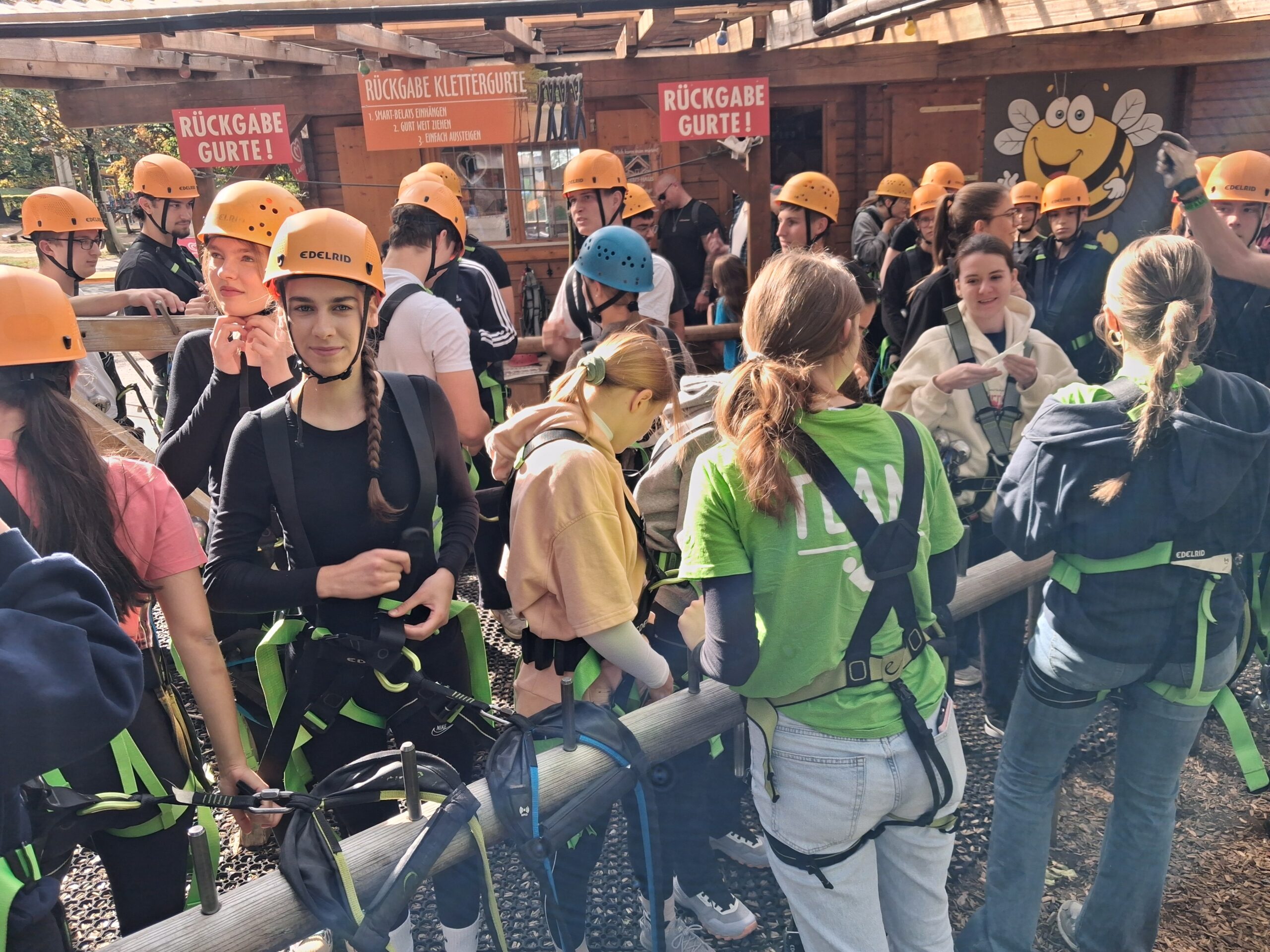
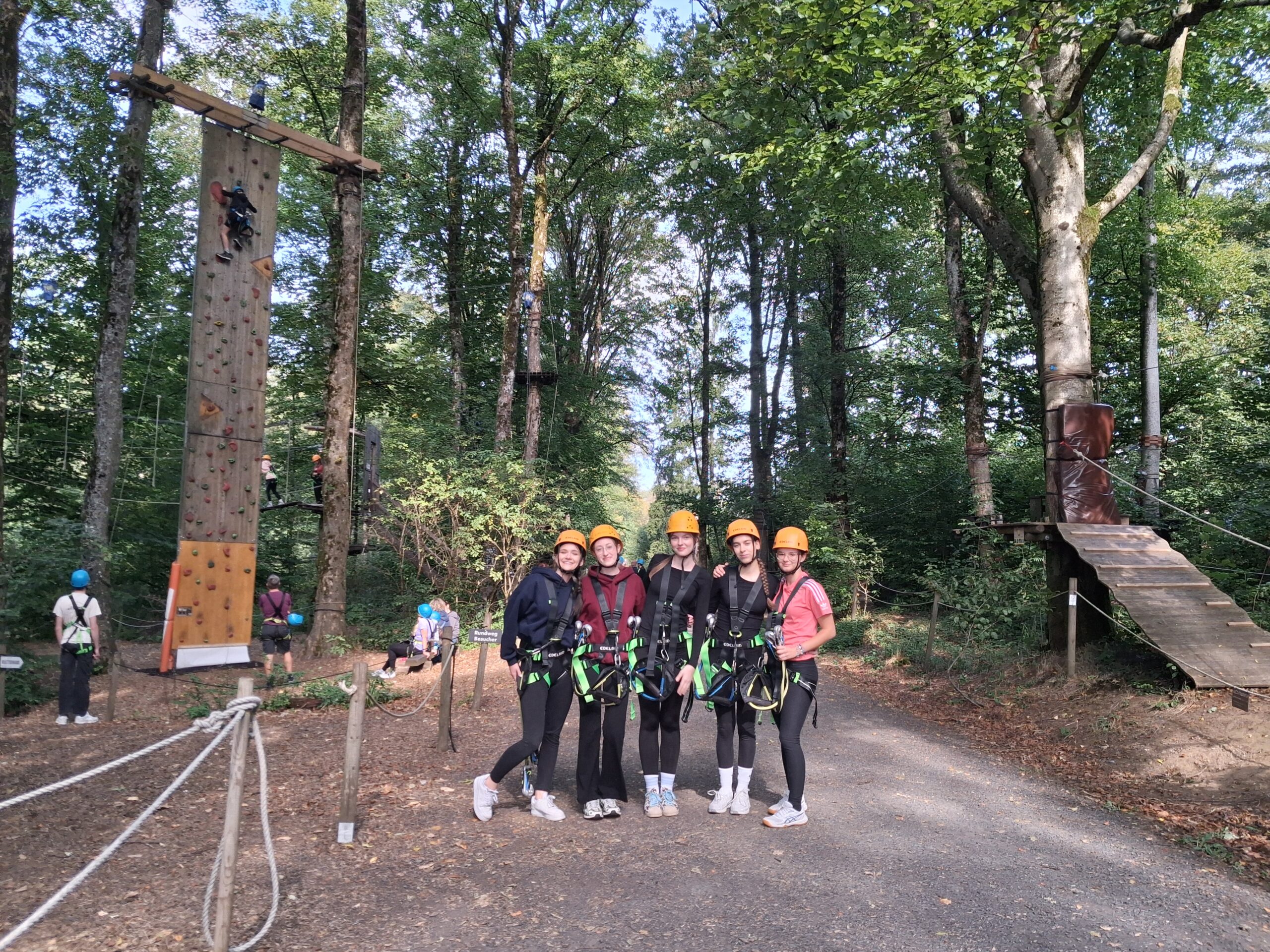
Dzień szósty – 26 września Dnia 26 września 2026 roku, podczas naszej wymiany do Niemiec, wybraliśmy się do parku linowego w Bad Marienberg. W wycieczce brały udział wszystkie osoby uczestniczące w wymianie — my wraz z naszymi partnerami z wymiany, u których gościliśmy, a także nasze opiekunki: pani Agata Kowalska-Zahel oraz pani Julia Potaśnik. Po przeszkoleniu z zasad bezpieczeństwa i założeniu uprzęży ruszyliśmy na trasy o różnych poziomach trudności. Pokonywaliśmy chwiejne mostki, siatki oraz wysokie zjazdy tyrolskie, które dostarczyły nam mnóstwa emocji. Wspólna wspinaczka wymagała wzajemnej pomocy i dopingu, co rewelacyjnie nas zintegrowało i przełamało bariery językowe. Czas spędzony razem w parku był pełen niezapomnianych wrażeń i świetnie nas ze sobą zbliżył. Bartek i Kuba
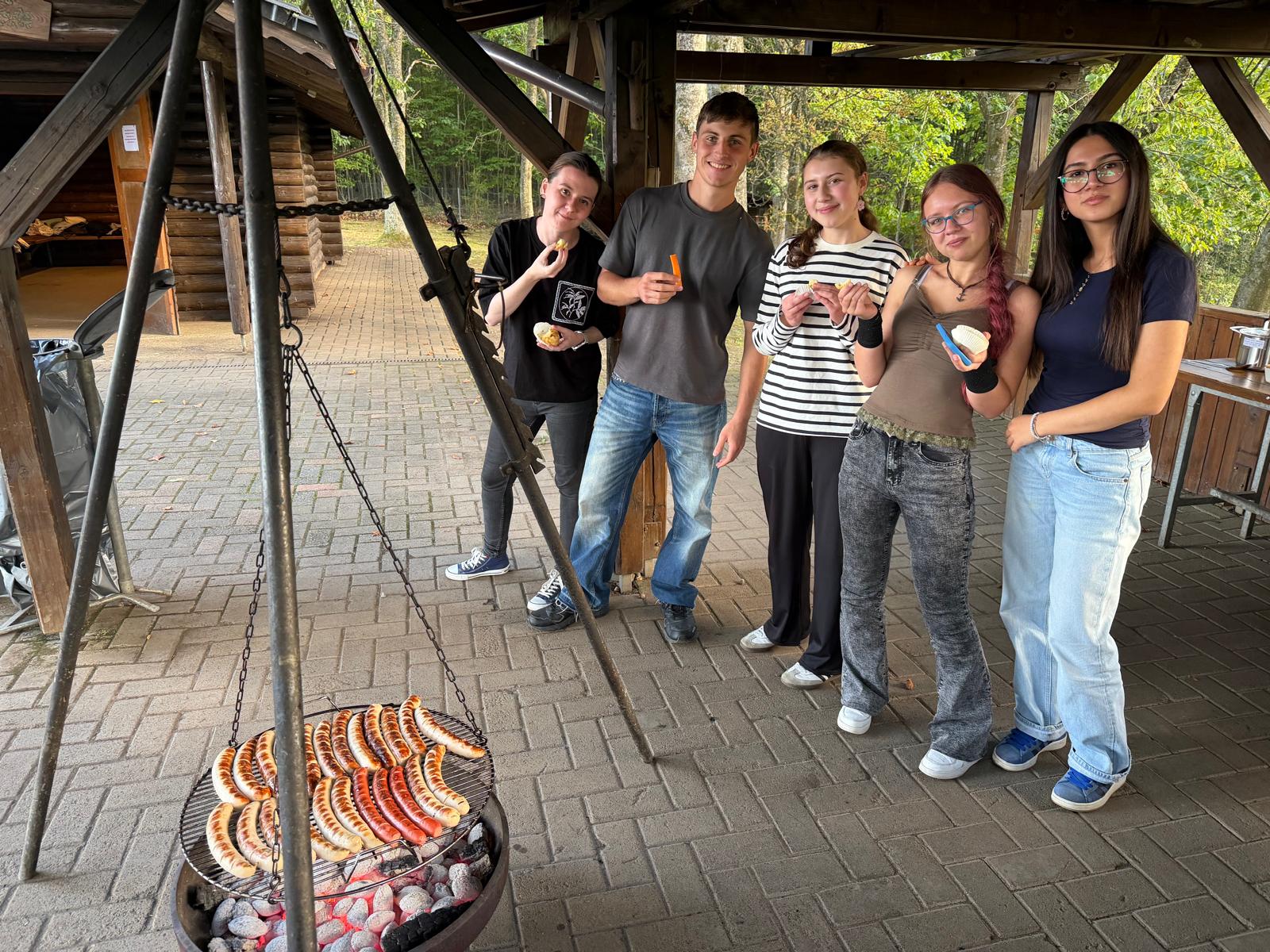
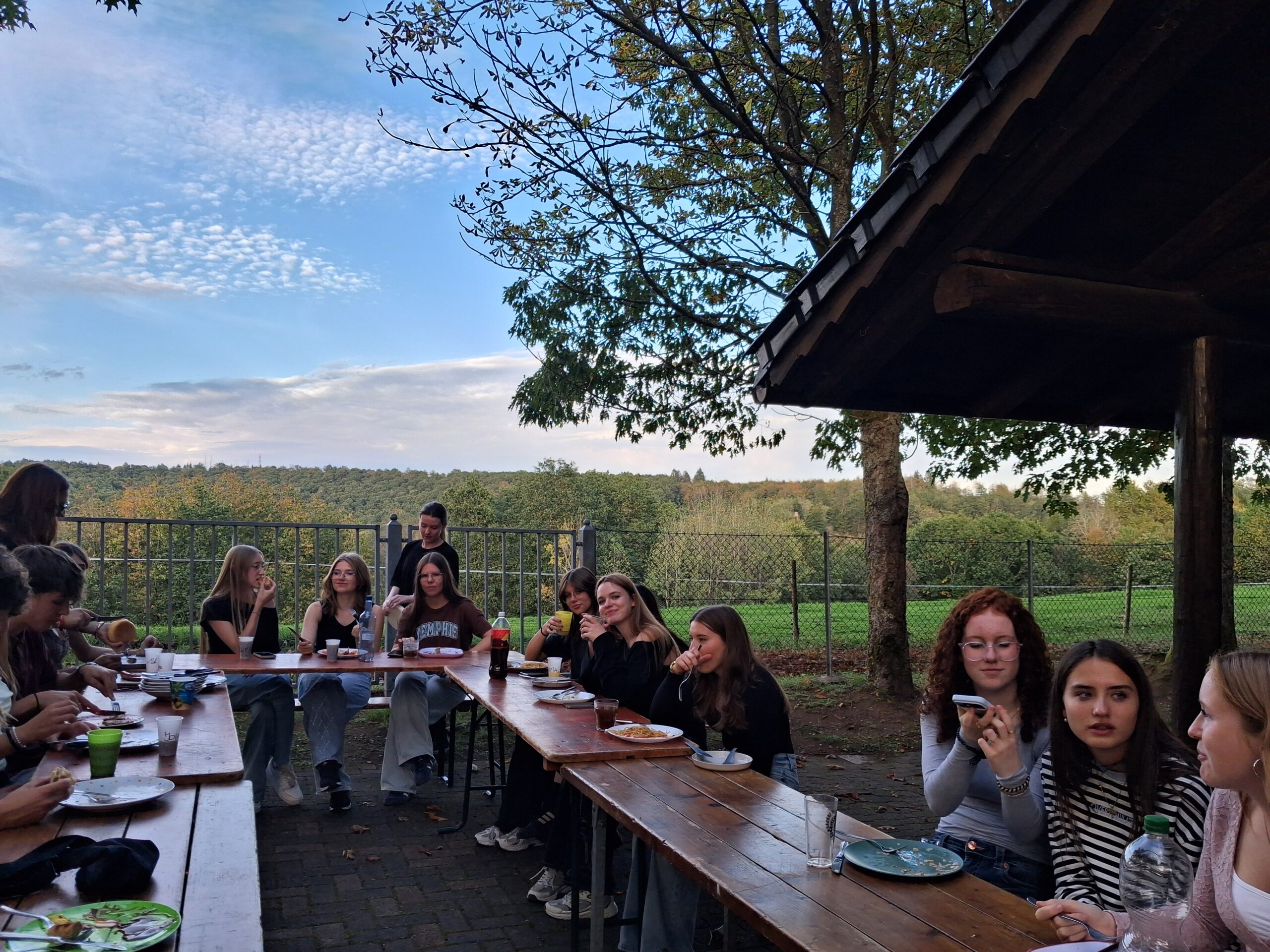
Dzień siódmy – 27 września Dzień zaczął się spokojnie, po południu miałyśmy zaplanowane spotkanie z pięcioma dziewczynami z Polski oraz Niemkami na wspólne smażenie naleśników oraz granie w gry. Następnie o 16:00 wybraliśmy się na oficjalne pożegnanie w formie ogniska. Każdy przyniósł coś do jedzenia, grillowaliśmy kiełbaski i kurczaki. Wszystko było pyszne, a atmosfera bardzo przyjemna. Po zjedzeniu graliśmy razem w siatkówkę. Wszystkim bardzo się podobało i smakowało. Nikt się nie nudził, wszyscy bawiliśmy się razem, cieszyliśmy się wspólnie spędzonym czasem. Ania i Natalia
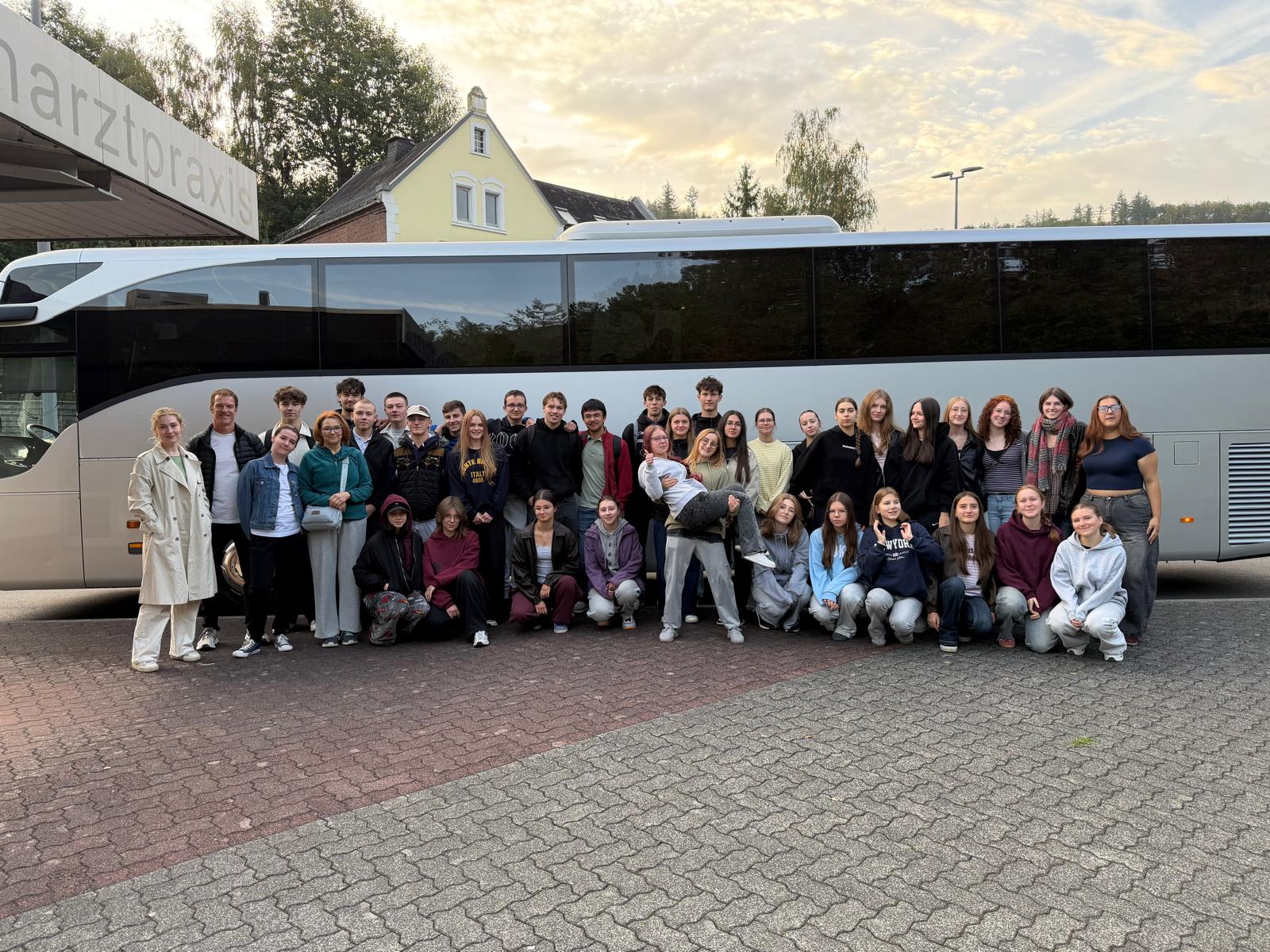
Dzień siódmy – 28 września Po sprawdzeniu ostatni raz, czy wszystko zostało spakowane, przyszedł czas na domknięcie walizek obciążonych dodatkowo pamiątkami oraz udanie się na poranną zbiórkę. Przy autobusie pożegnaliśmy się z naszymi gospodarzami, wymieniając uściski i już snując plany dotyczące ich przyjazdu do Polski. Chwilę przed odjazdem zrobiliśmy także wspólne pamiątkowe zdjęcie całej naszej grupy. Sama podróż powrotna do Polski, choć może trochę przydługa, minęła bez większych przygód – wszyscy byli nieco zmęczeni tygodniem pełnym wrażeń, ale zadowoleni z wyjazdu. Na miejsce dotarliśmy późnym wieczorem, ok. 21:30. Teraz z niecierpliwością czekamy na drugą część wymiany i okazję na ponownie spotkanie z naszymi niemieckimi kolegami, tym razem już goszcząc ich w naszych własnych domach. Julia Potaśnik
Czy wiecie, że …. ?
Polsko-Niemiecka Współpraca Młodzieży (PNWM)
to organizacja, która umożliwia spotkania i współpracę młodych ludzi z Polski i Niemiec. Dofinansowuje i merytorycznie wspiera polsko-niemieckie i trójstronne projekty wymiany. Dla osób organizujących spotkania PNWM oferuje szkolenia, konferencje i seminaria oraz wydaje publikacje. PNWM jest organizacją międzynarodową utworzoną przez rządy Polski i Niemiec w 1991 roku, równocześnie z podpisaniem traktatu dobrosąsiedzkiego. Od początku swojej działalności PNWM dofinansowała 85 000 projektów, w których wzięło udział blisko 3,3 miliona młodych ludzi.
Nasza wymiana szkolna od lat wspierana jest i dofinansowywana przez PNWM. Również w tym roku otrzymaliśmy wsparcie finansowe, które umożliwia lepszą organizację projektu.
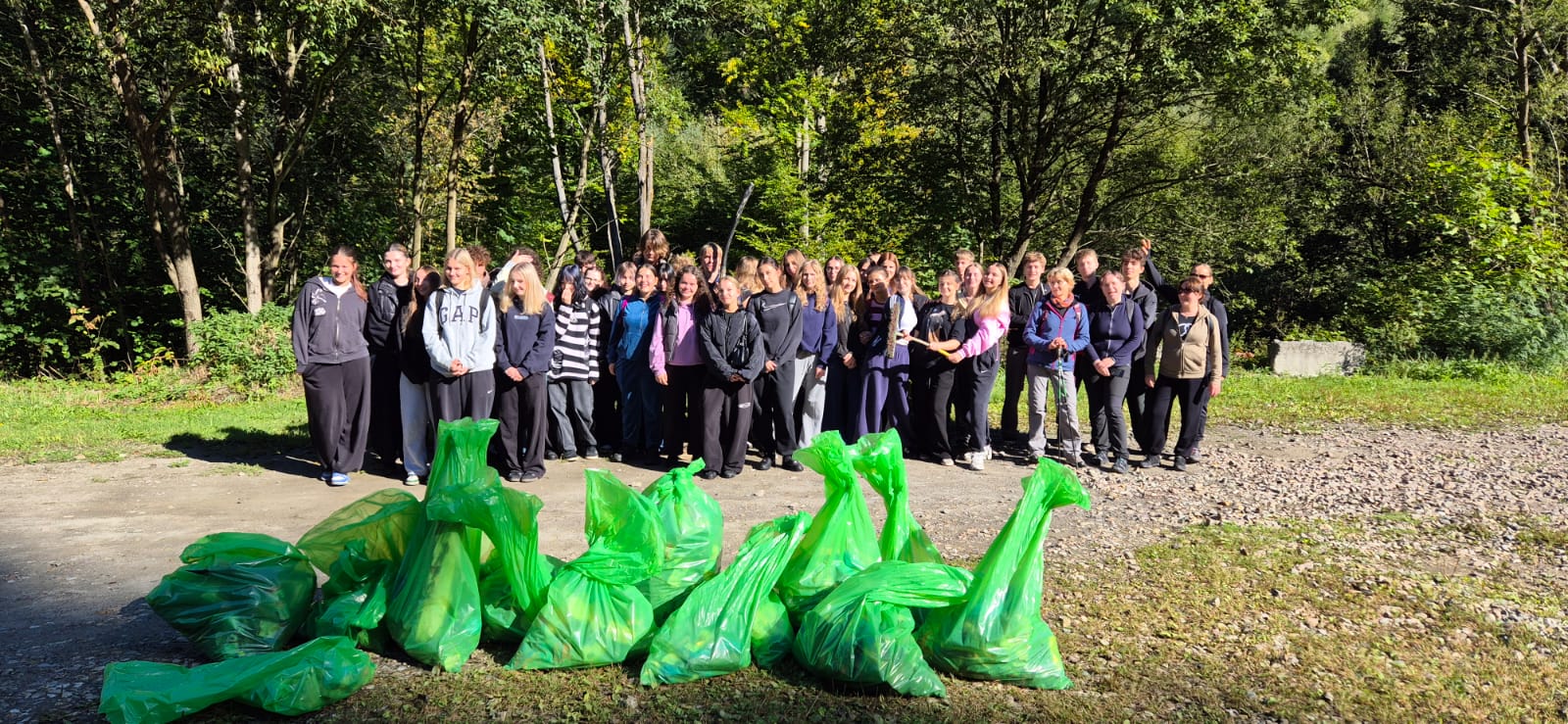
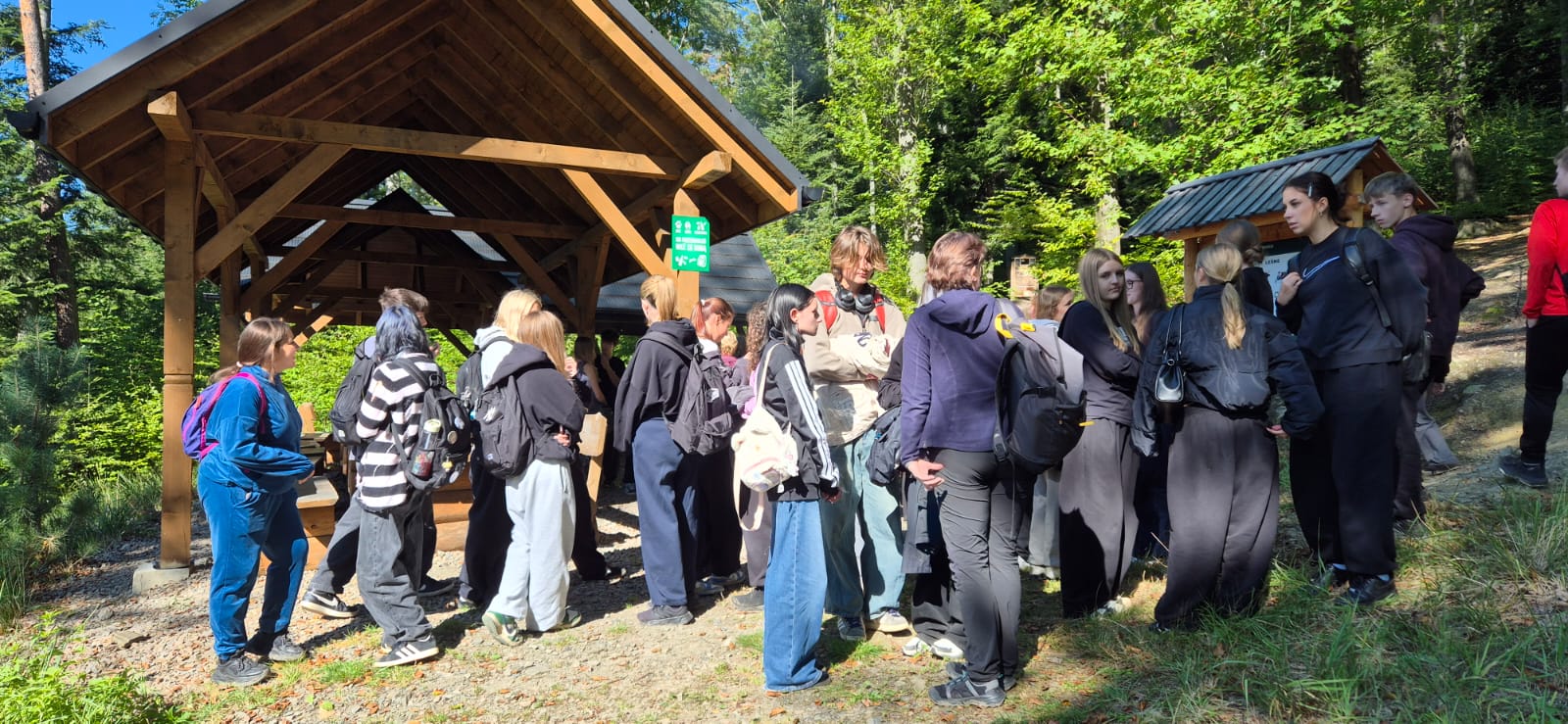
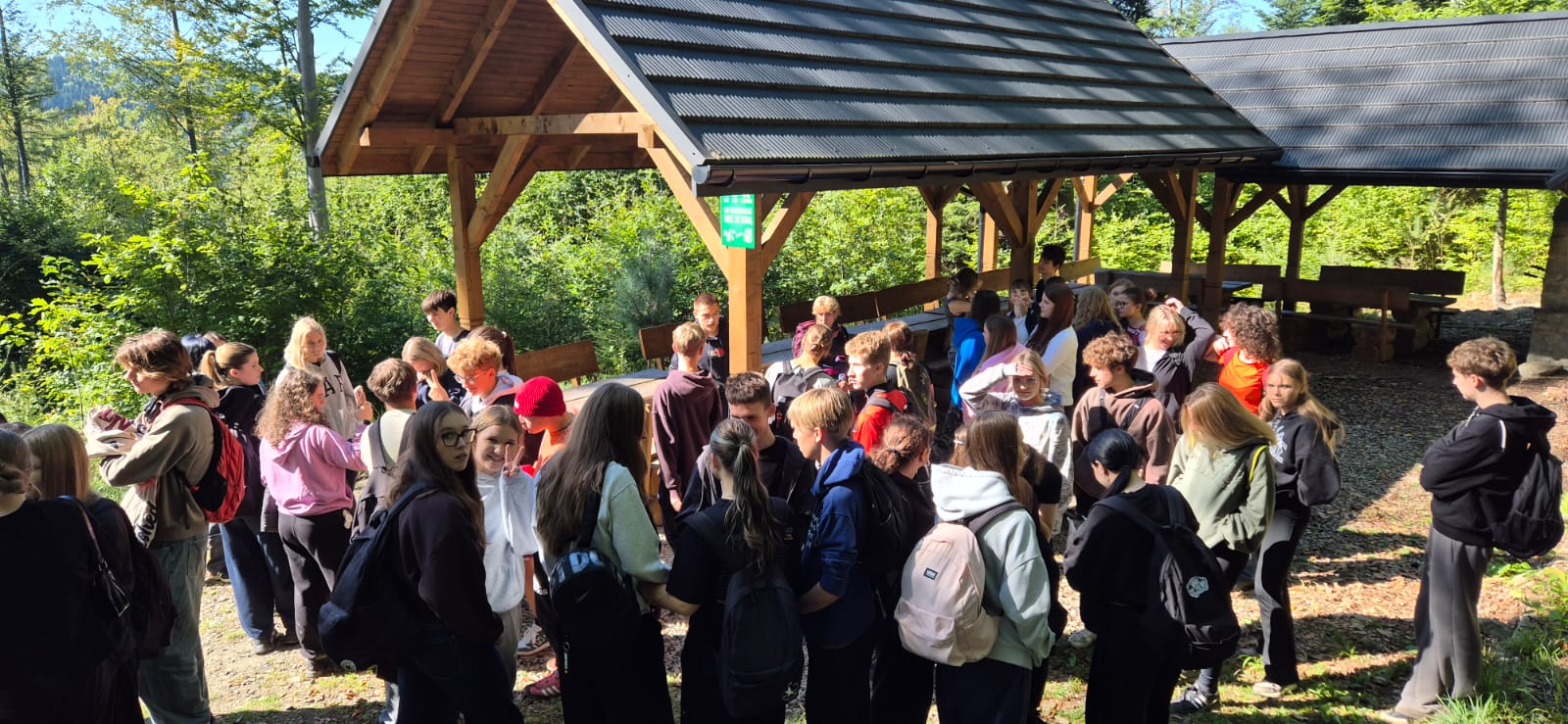
Jak co roku nasza szkoła wzięła udział w w Akcji Sprzątania Świata. 29 września klasy drugie realizujące w toku nauczania rozszerzoną biologię, czyli tak zwane biol-chemy – 2B i 2G wyruszyły raniutko sprzątać świat. Pod opieką profesorek naszego LO Marty Derkowskiej – Labocha, Sylwii Konik, Grażyny Kucharczyk i Iwony Stawowczyk młodzież udała się na Zarabie. Tam spotkaliśmy się z leśniczym Wiktorem Siłuszykiem. Otrzymaliśmy worki na śmieci i rękawiczki, a następnie wyruszyliśmy asfaltową drogą w stronę dolnej stacji wyciągu narciarskiego. Młodzież zbierała różnorakie odpady po obu stronach drogi, schodząc niejednokrotnie do koryta strumyka, czy do lasu ciągnącego się wzdłuż drogi. Niestety śmieci nie brakowało. Uczniowie zebrali ponad dwadzieścia worków odpadów, których część zostawili na parkingu w środku trasy, a część donieśli do kontenera usytuowanego na końcu szlaku śmieciowego, czyli pod dolną stacją narciarską. W między czasie nasi szkolni ekolodzy wysłuchali prelekcji leśniczego W. Siłuszyka na temat funkcji lasu, problemów związanych z zanieczyszczaniem środowiska leśnego i kłusownictwem.
Następnie młodzież wraz z nauczycielami przeszła do leśnej wiaty na zboczach Ukleiny i tam została ugoszczona pysznymi, pieczonymi na grillu kiełbaskami, oczywiście z chlebem i musztardą. Wszystko to zostało zakupione przez Nadleśnictwo Myślenice . Po regeneracyjnym posiłku udaliśmy się wszyscy ścieżką w dół na Zarabie, a potem do szkoły. Był to dzień terenowych zajęć z ekologii.
Mamy nadzieję, że uczniowie na długo zapamiętają widok dużej ilości śmieci zostawionych przez pseudo turystów i będą propagowali wśród swoich najbliższych inny styl odpoczynku na łonie przyrody. Działajmy w myśl zasady:
NIE ZOSTAWIAJ ŚMIECI W LESIE, ZABIERZ JE ZE SOBĄ.
Z ekologicznym pozdrowieniem mgr Grażyna Kucharczyk
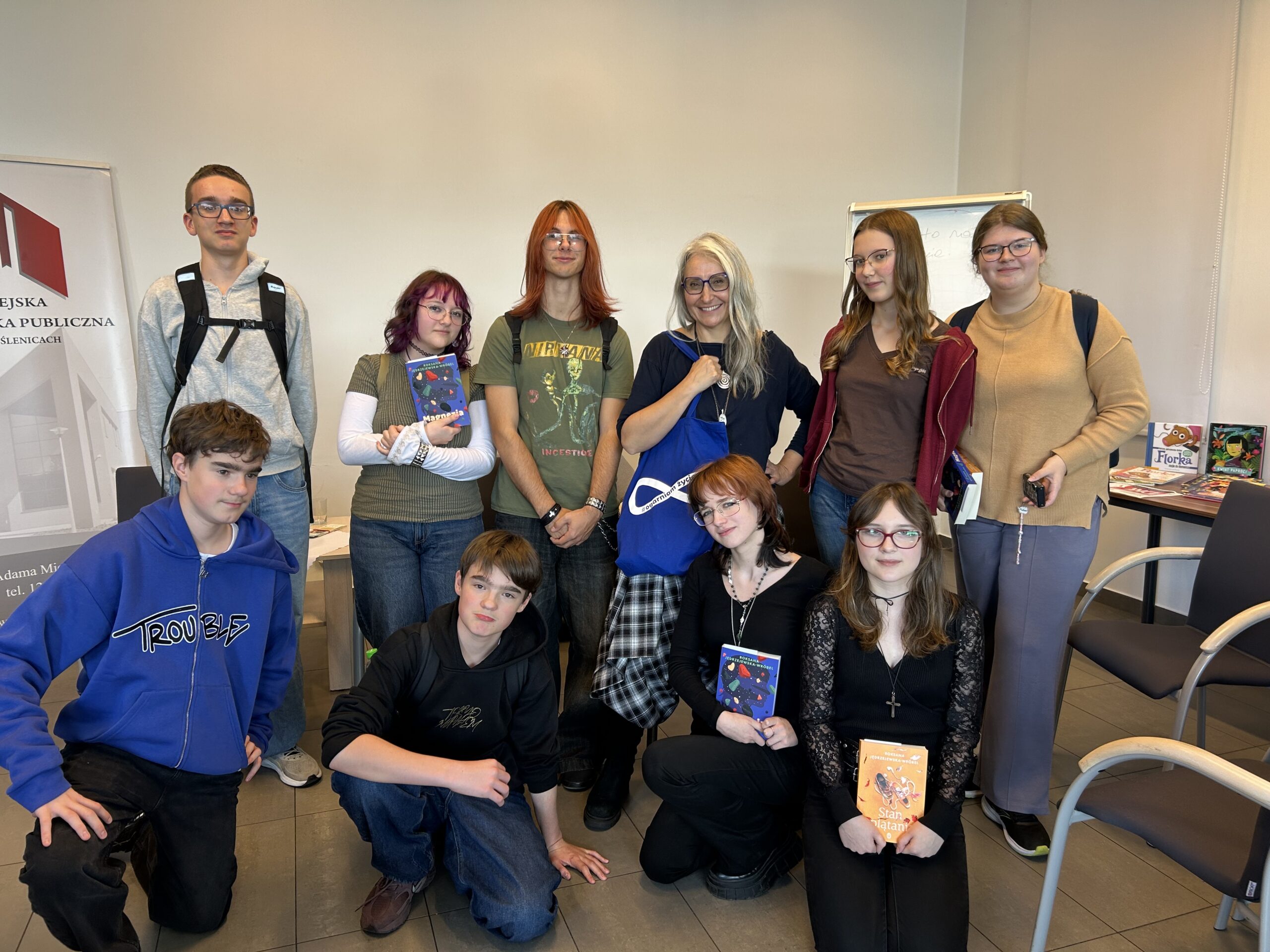
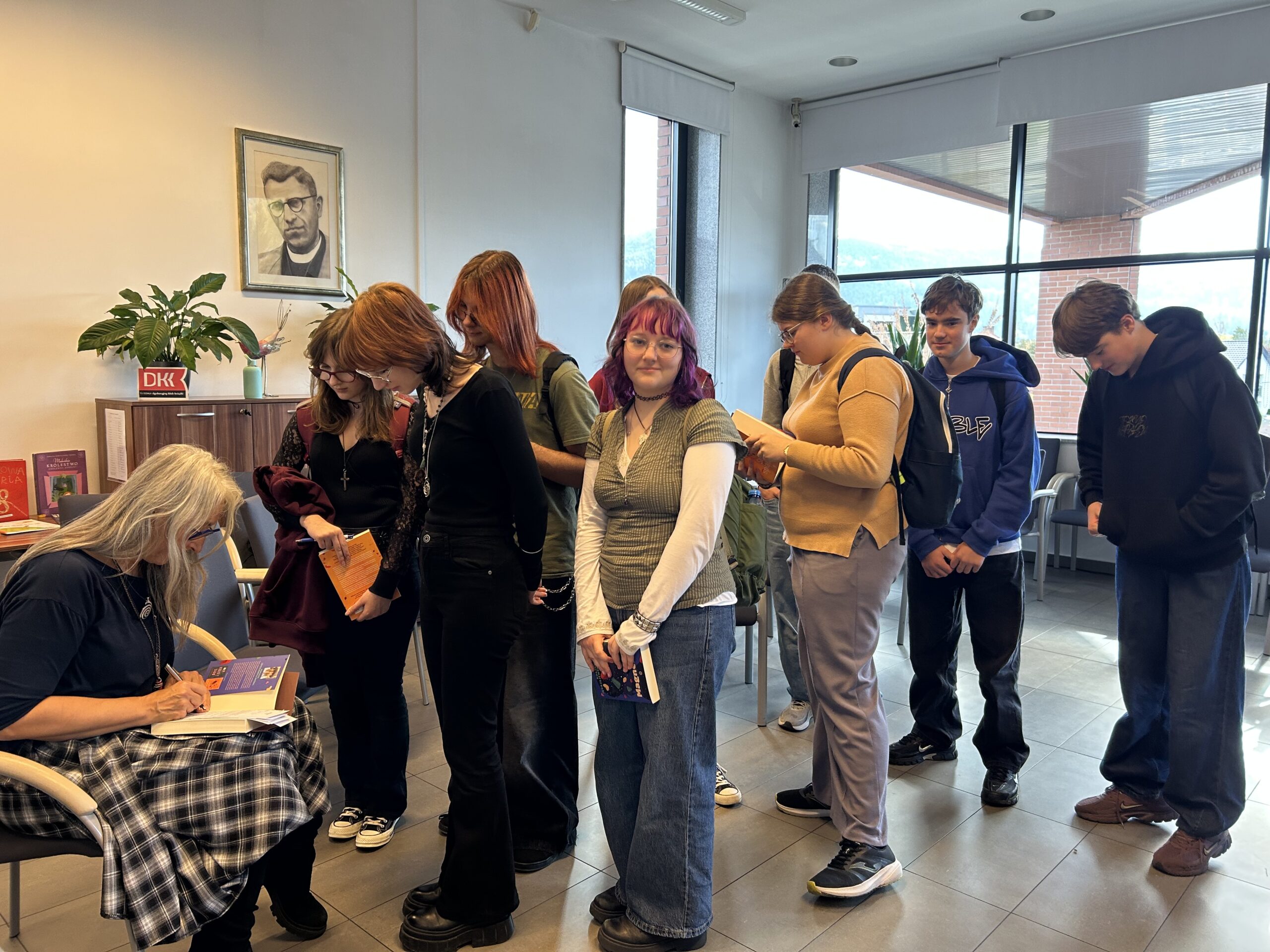
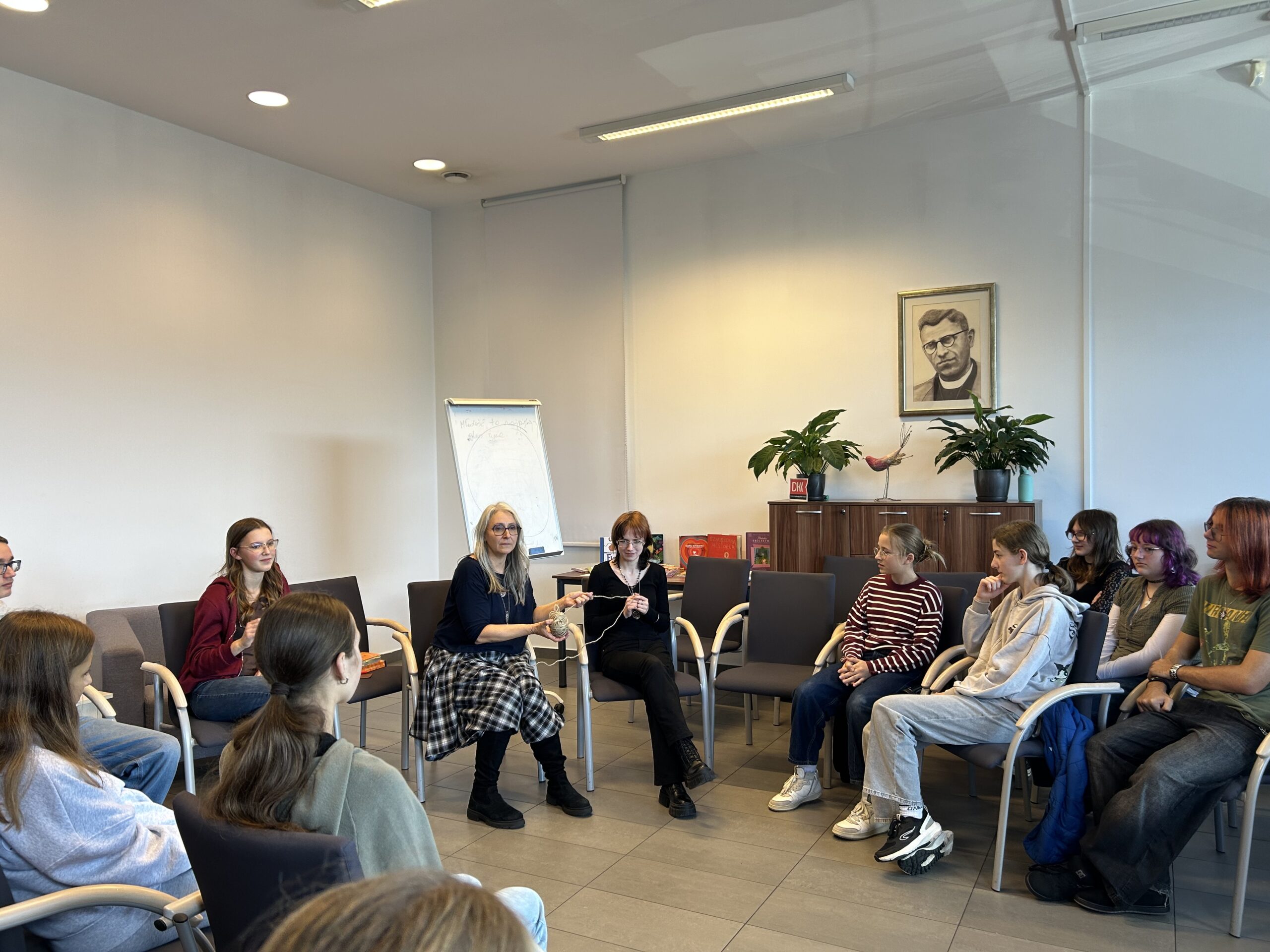
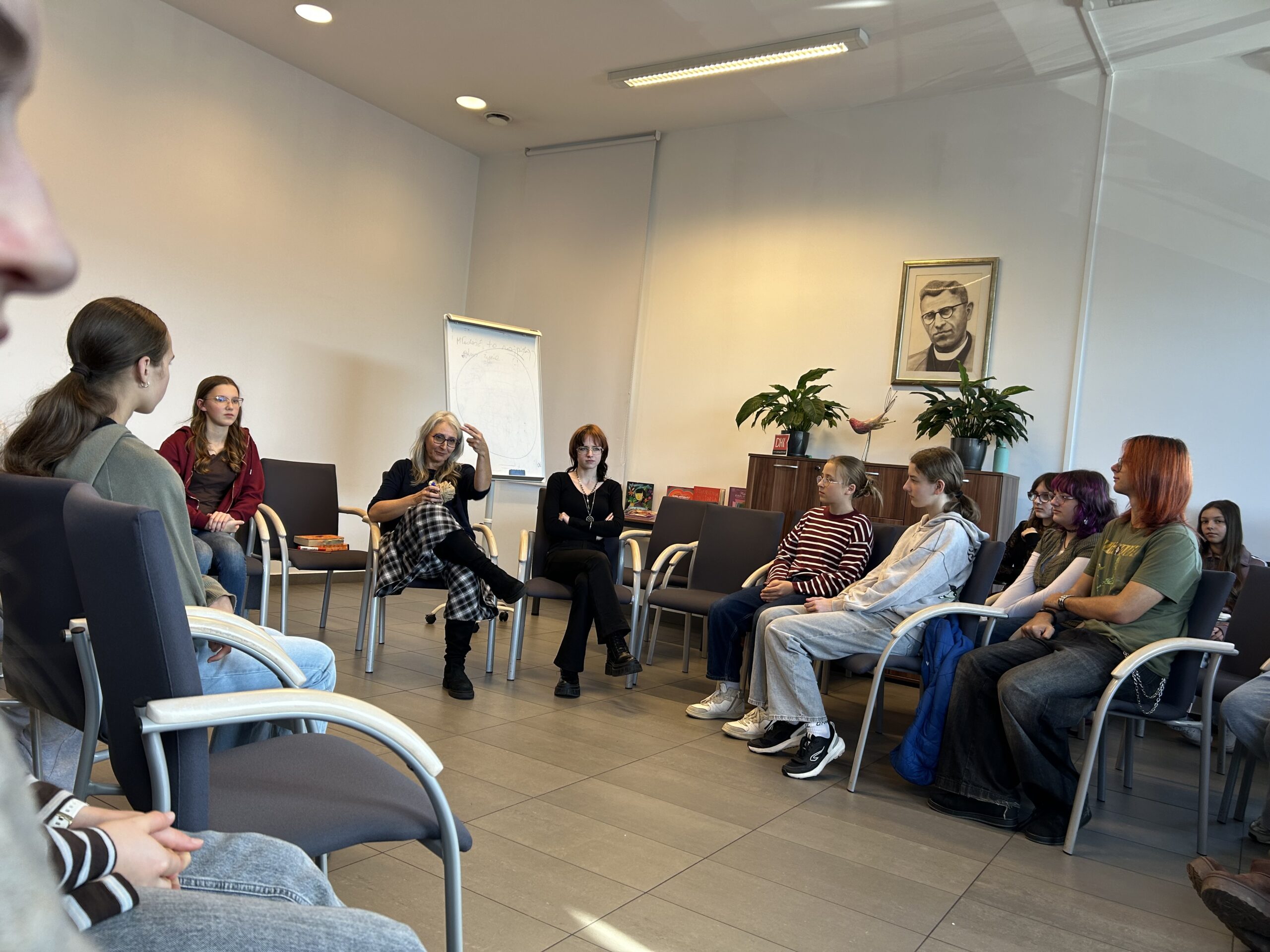
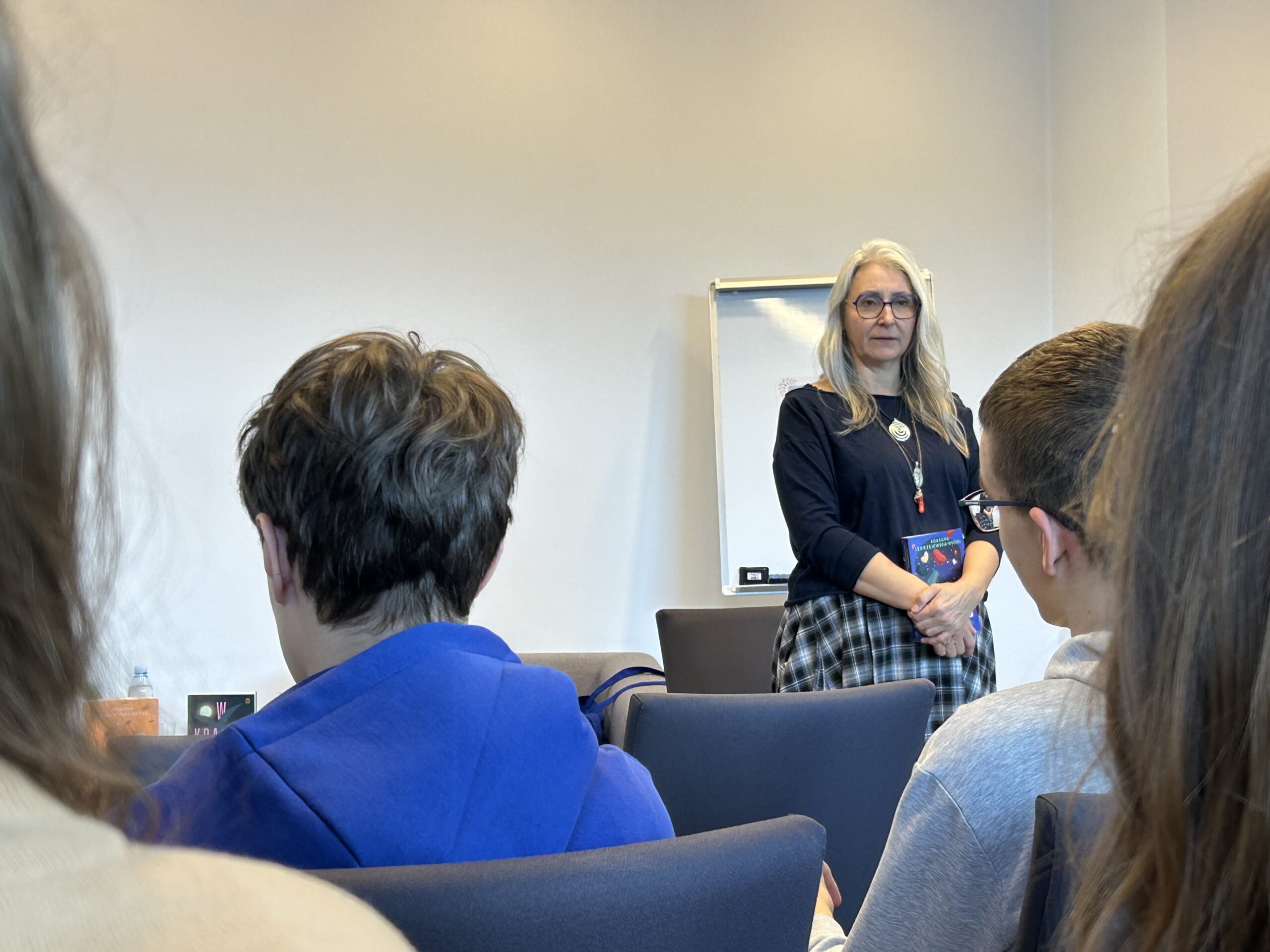
21 października w Miejskiej Bibliotece Publicznej w Myślenicach odbyło się spotkanie autorskie z panią Roksaną Jędrzejewską-Wróbel – cenioną pisarką, doktor literaturoznawstwa, autorką książek dla dzieci i młodzieży oraz scenariuszy filmowych i sztuk teatralnych. W wydarzeniu uczestniczyli uczniowie naszego Liceum, w tym członkowie Dyskusyjnego Klubu Książki przy MBP oraz szkolnego Kółka Literackiego.
„Każdy szuka swojej książki, nie każda książka musi się każdemu podobać” – rozpoczęła autorka. Mając świadomość, że jej twórczość nie trafi do każdego, dała tym samym młodzieży pełne prawo do własnego wyboru i indywidualnego postrzegania świata.
Roksana Jędrzejewska-Wróbel ma w swoim dorobku literackim m.in. trzy powieści skierowane do nastoletnich czytelników: „W krainie snów”, „Stan splatania” oraz najnowszą – „Magnezję”. Autorka poprzez swoje utwory pragnie skłaniać do refleksji nad światem. W przystępny sposób przekazała młodzieży ważne przesłanie: przypomniała, że w życiu nie liczy się ślepa gonitwa za wynikami, dobrami materialnymi czy wspinanie się po szczeblach kariery, lecz gęsta, „pajęcza” sieć wartościowych relacji i połączeń międzyludzkich. Zachęcała do krytycznego myślenia przy podejmowaniu decyzji, szukania wyjścia z każdej trudnej sytuacji, a przede wszystkim – do wzajemnej życzliwości.
Pisarka spędziła z licealistami ponad dwie pełne refleksji godziny, rozmawiając o trudnych sprawach dorastania oraz emocjach, które drzemią w każdym z nas.
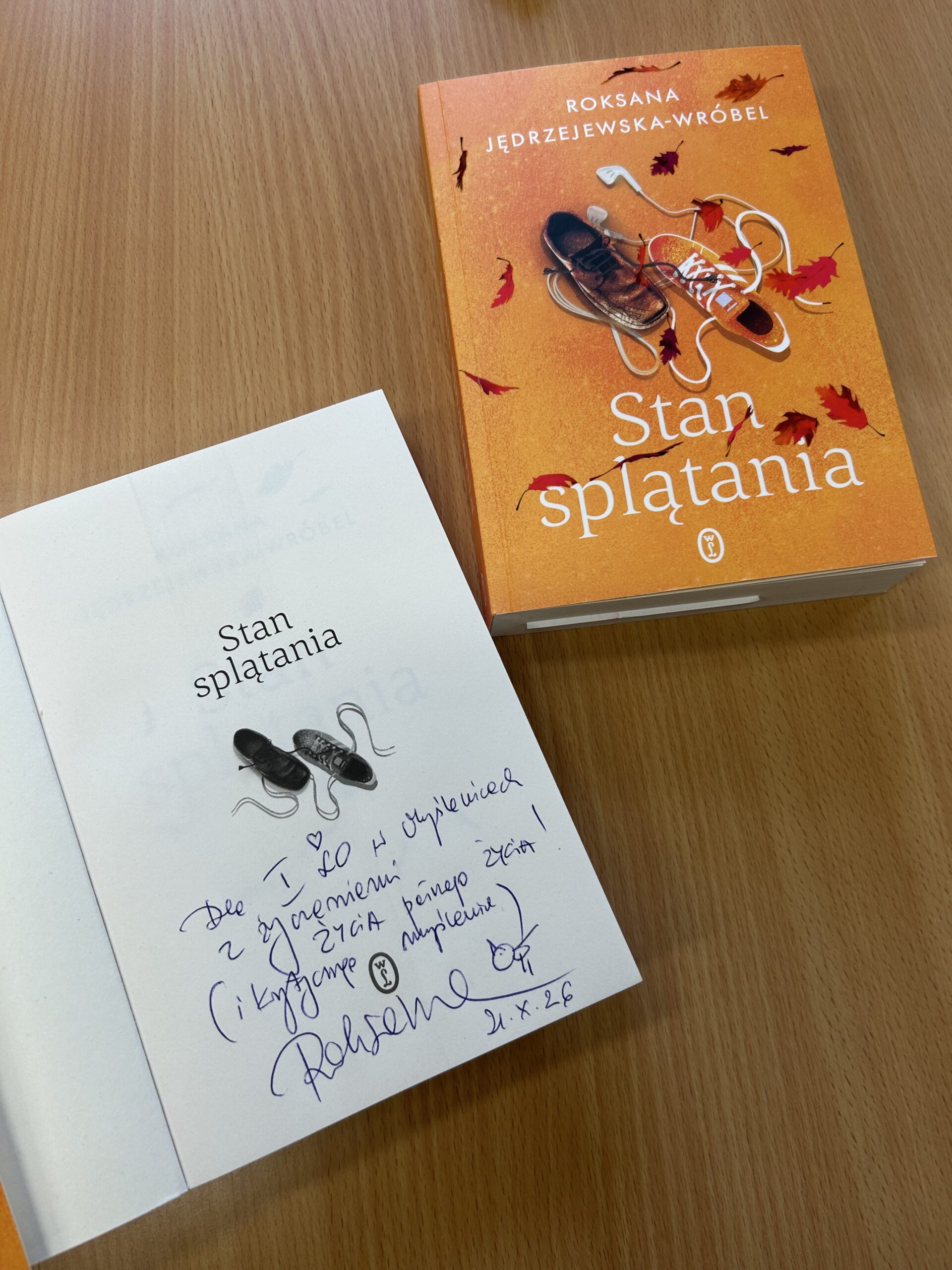
Miłym akcentem na zakończenie było przekazanie specjalnej dedykacji od autorki do książki, która trafi do naszej biblioteki szkolnej. Już w najbliższym czasie będzie można ją wypożyczyć!
GeoGuessr to gra geograficzna, w której gracze próbują wywnioskować miejsca na podstawie zdjęć Google Street View. Gra oferuje różne tryby, takie jak tryb dla jednego gracza i tryb wieloosobowy. Gra została opisana jako narzędzie edukacyjne do geografii, pozwalające graczom uczyć się i identyfikować różne globalne cechy geograficzne i kulturowe. Należą do nich systemy pisma, architektura, ruch lewostronny i prawostronny, flagi, tablice rejestracyjne pojazdów, krajobrazy i roślinność. Ten aspekt edukacyjny pogłębia zrozumienie różnych kultur i regionów na całym świecie.
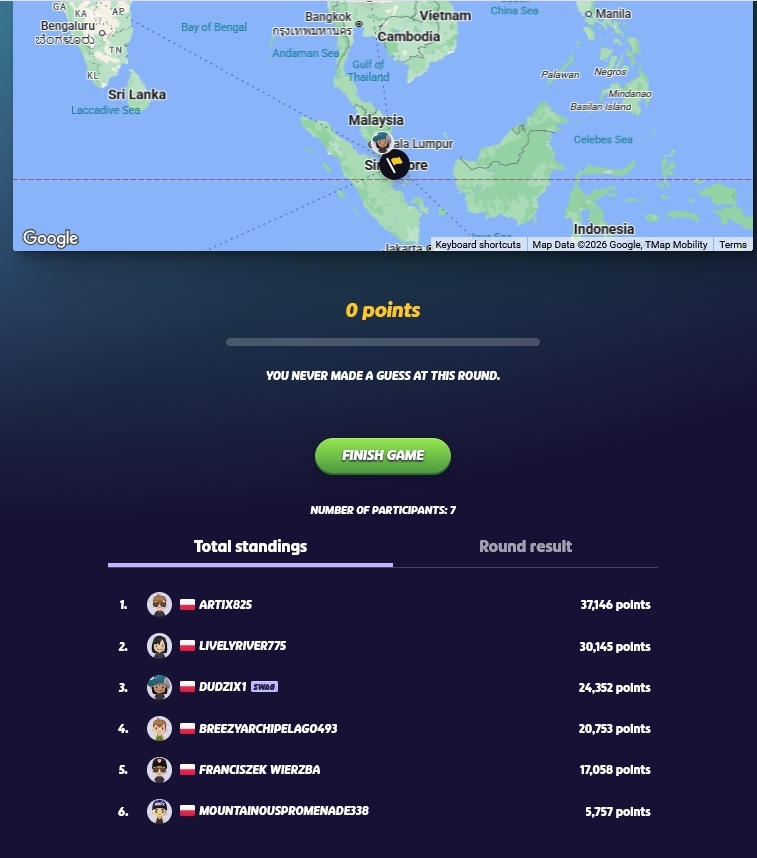
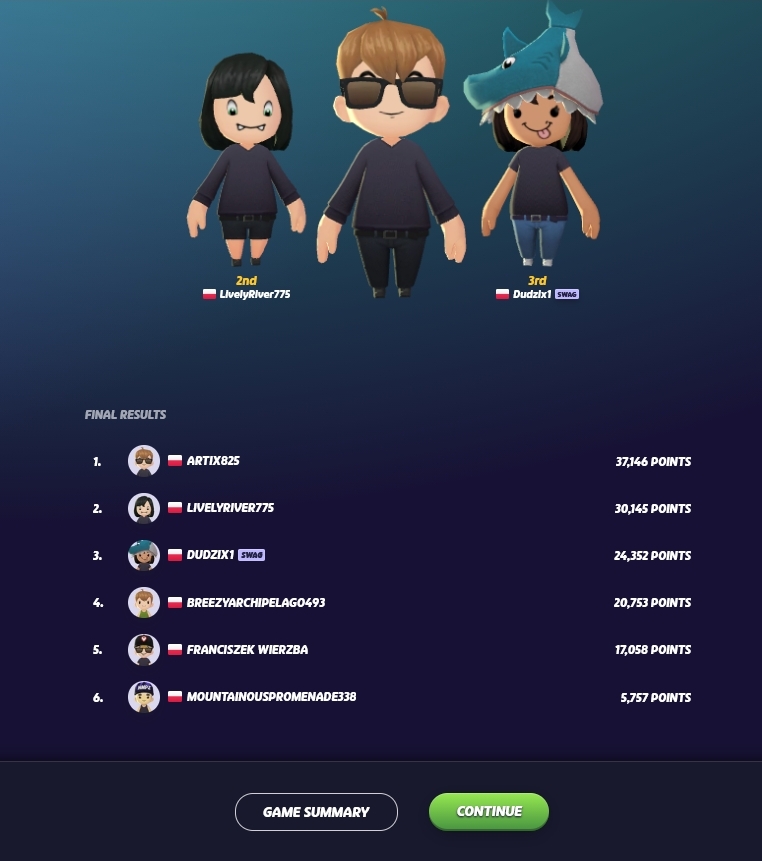
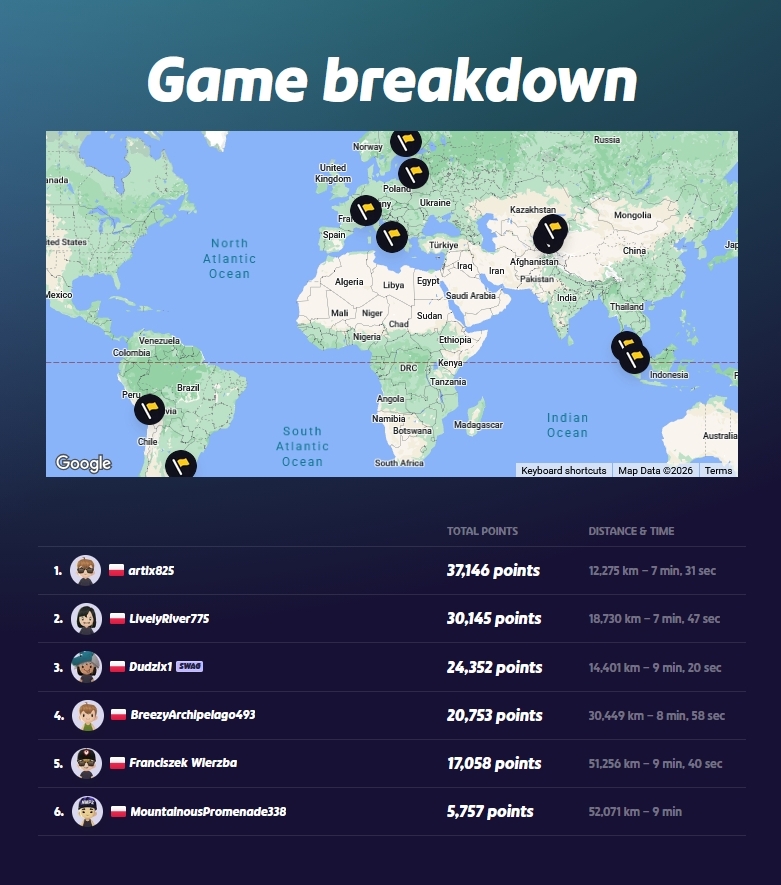
W szkolnych eliminacjach Mistrzostw Małopolski GeoGuessr 2026, które odbyły się 20 października 2026 r. (wtorek) o godz. 15:30 w sali nr N2, zakwalifikowali się do etapu rejonowego następujący uczniowie:
1. miejsce – Artur Dudzik z klasy 1H,
2. miejsce – Maciej Gałka z klasy 1A,
3. miejsce – Maria Dudzik z klasy 2D.
Serdecznie gratulujemy!
W etapie szkolnym wystartowali jeszcze: Marcin Kus z klasy 1A, Filip Plewa z klasy 1A oraz Franciszek Wierzba z klasy 1H.
Etap rejonowy odbędzie się 5-6 listopada 2026 r. A za rok kolejne szkolne eliminacje, na które już teraz zapraszamy (informacja jak zwykle pojawi się na tablicy ogłoszeń w pracowni geograficznej w sali nr 25).